Serena Johnson
January 9, 2026
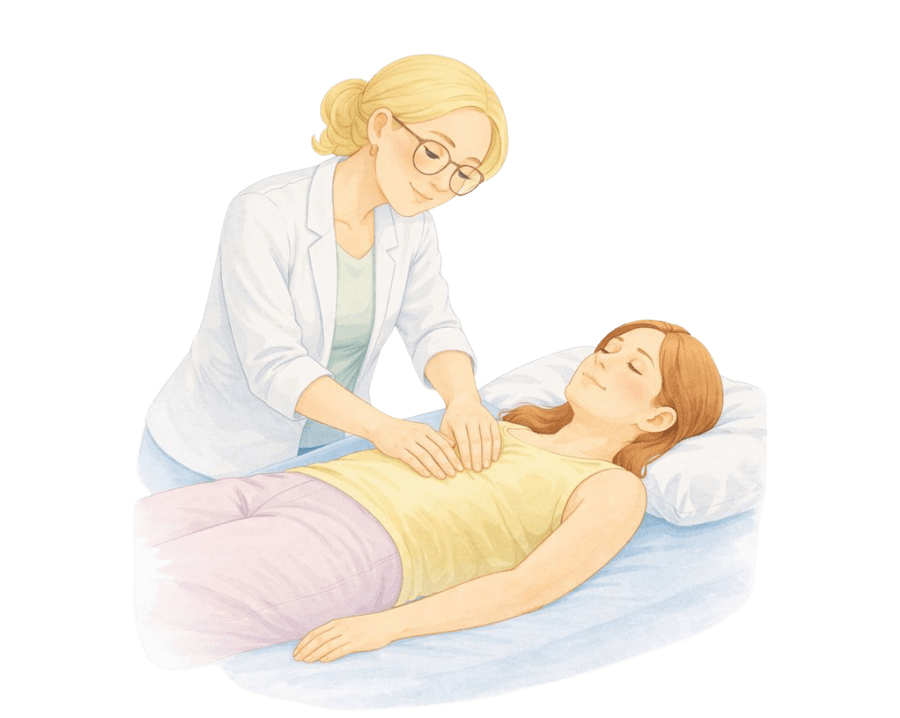
Osteopathy is a holistic healthcare approach that looks at how the body’s structure and function are connected. It’s increasingly popular for menopause symptom relief, offering a safe, non-invasive, and drug-free option for women navigating this life stage.
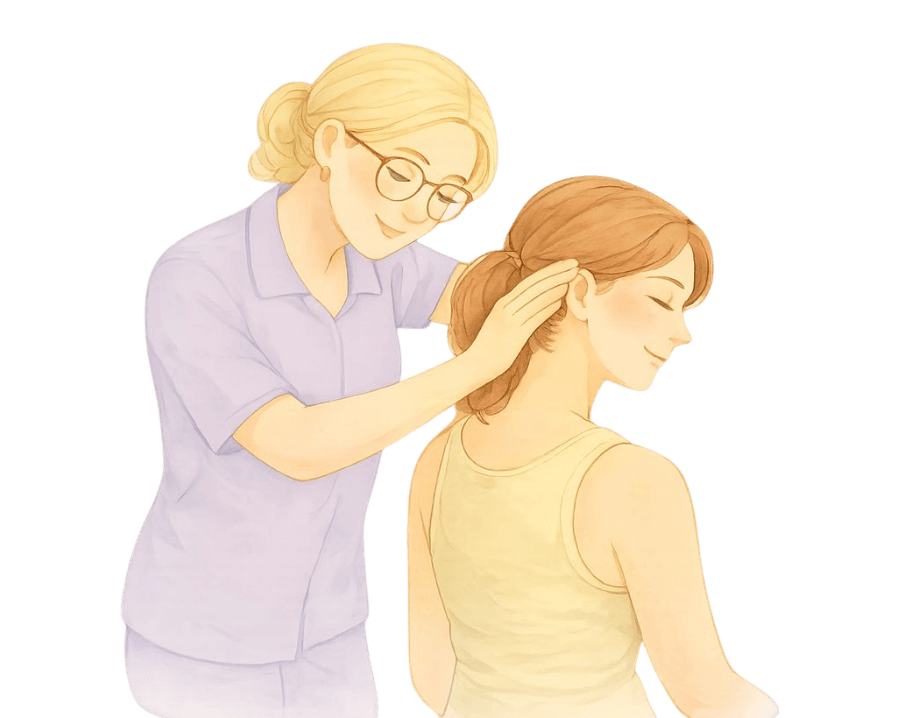
Joint and muscle pain: Gentle techniques like joint mobilization and myofascial release ease stiffness, tension, and discomfort.
Improves mobility: Treatments enhance circulation and lymphatic flow, supporting better physical function.
Supports bone health: Osteopathy helps maintain strength, which is crucial as postmenopausal women face a higher risk of osteoporosis.
Techniques relax the nervous system, helping reduce anxiety and stress.
Osteopathy may improve sleep quality, addressing night sweats and tension that disrupt rest.
Mindfulness and lifestyle advice offered by osteopaths complement hands-on treatments.
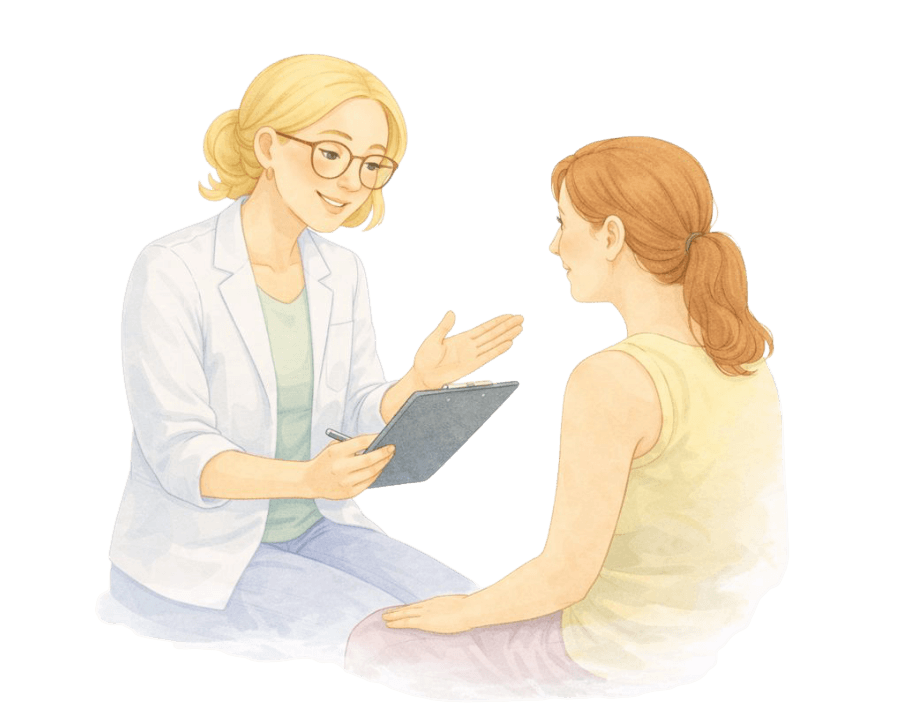
Osteopaths provide personalized exercise plans, posture guidance, and lifestyle tips.
The goal is to empower women to navigate menopause with greater comfort and resilience.
Sign up to receive simple tips, updates, and insights from the clinic — designed to help you feel better, move more freely, and take care of your health.
Osteopathy is generally safe when performed by qualified practitioners.
Certain conditions, like severe osteoporosis or bone cancer, may require modified techniques.
Side effects are usually minor (temporary soreness or bruising).
Studies show up to 71% of perimenopausal women experience musculoskeletal pain.
Research indicates osteopathy may improve physical and emotional symptoms, though larger studies are neededto fully confirm its benefits.
If you’re experiencing joint pain, sleep issues, or emotional changes during menopause, osteopathy offers a gentle, holistic approach to support your health. A qualified osteopath can tailor treatments to your unique needs, combining manual therapy with lifestyle guidance for the best results.