Women's Health & Menopause SupportIn Ryde, Isle of Wight
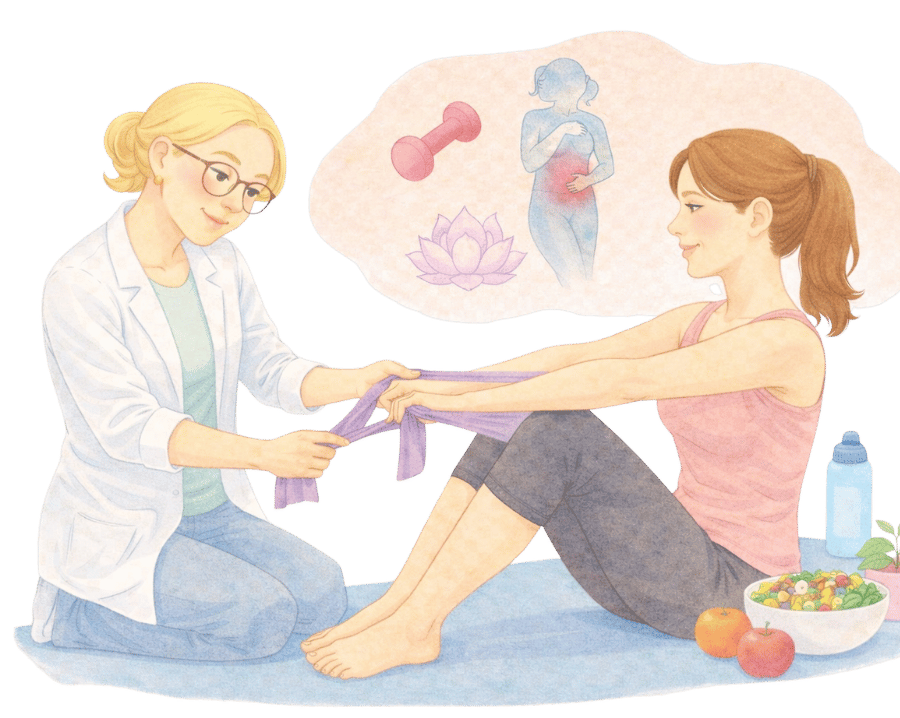
If you are in perimenopause or menopause and your body feels unfamiliar, you are not imagining it. Joint pain that appears without injury, tendons that feel fragile, muscles that are slower to recover, and a general sense that your body is not responding the way it used to: these are real, recognised changes. They have a physiological explanation, and there is practical support available.
Is this service right for you?
This service may suit you if you are experiencing any of the following:
- Joint stiffness, aches, or pain that has emerged or worsened during perimenopause or menopause
- Tendon sensitivity or flare-ups (particularly in the shoulder, knee, or Achilles)
- Muscle fatigue or a noticeable reduction in strength
- You want to start strength training but are not sure how to begin safely
- You have been told your bone density is lower than expected and want support with movement and load
- You are managing a combination of menopause symptoms and a musculoskeletal problem
If you are experiencing severe or unexplained bone pain, a sudden significant loss of strength, unexplained weight change, or if you have not yet discussed your menopause symptoms with a doctor, please speak to your GP before booking. Osteopathy and GP care work well alongside each other. Serena will always refer on when that is the right step.
Start your Care Journey Today
What menopause does to your joints, muscles, and tendons
Oestrogen plays a significant role in how your musculoskeletal system functions. As levels decline during perimenopause and menopause, many women notice changes they did not expect.
Common patterns include:
- Joint stiffness and achiness, particularly in the morning or after periods of rest
- Increased tendon sensitivity, including a higher likelihood of tendon irritation and slower recovery from flare-ups
- A reduction in muscle mass and strength, even with no change in activity levels
- Changes in cartilage resilience and joint fluid, which can contribute to a sense of grinding or reduced range of movement
- Fatigue linked to both hormonal changes and reduced muscle efficiency
These changes are not signs of irreversible damage in most cases. They are the result of a hormonal shift that affects connective tissue, bone metabolism, and muscle physiology. Understanding what is happening is often the first step toward managing it well.
How this connects to pain:
Many women come to Serena after months of joint pain that has not been clearly explained, or after being told their scans are normal when they are still hurting. Menopause-related musculoskeletal changes often do not show up on imaging. What matters is how you are moving, where you are loading, and what support your body currently has.

Sarcopenia
Why muscle matters as you age
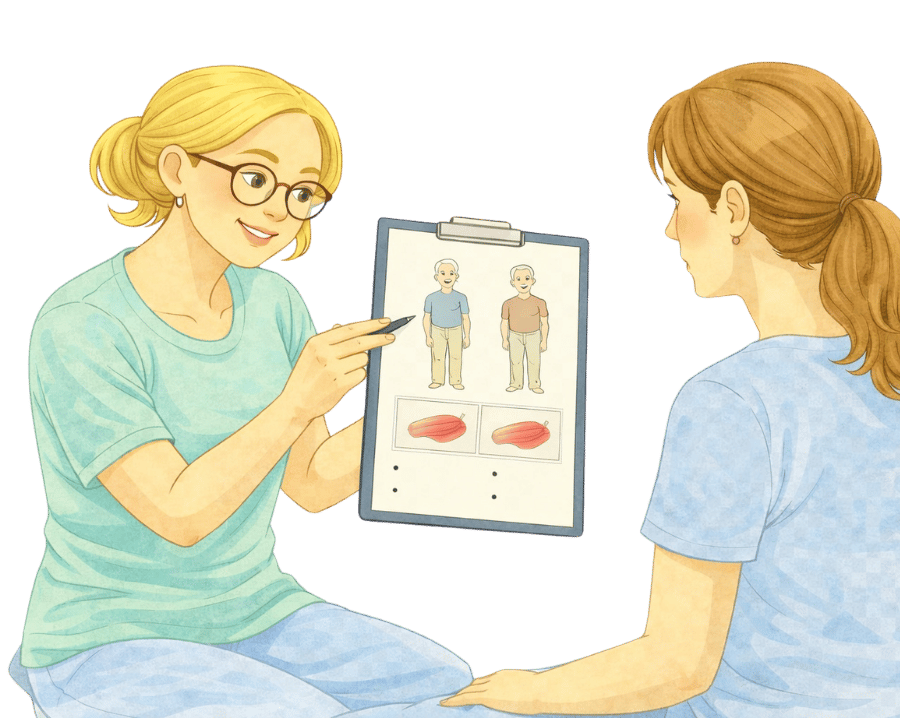
Sarcopenia is the gradual loss of muscle mass and strength that occurs with age. It accelerates during menopause in many women, partly because oestrogen supports muscle protein synthesis. It is not inevitable, and it is not irreversible at most stages, but it does require deliberate attention.
Why it matters:
- Reduced muscle mass lowers metabolic rate and makes fatigue more likely
- Less muscle means less support for joints, which increases load on cartilage and connective tissue
- Strength is a significant protective factor for bone density
- Functional strength (the ability to carry, lift, climb stairs, and recover from a stumble) affects independence and quality of life in the longer term
Muscle responds to load at any age. Progressive resistance training, combined with adequate protein intake, can maintain and in many cases rebuild muscle mass. Serena can help you understand where you are starting from and what movement patterns are appropriate for your current capacity.
Strength training & nutrition in menopause
Where to start
Strength training and nutrition are two of the most evidence-supported ways to support your body through menopause. Together, they help maintain muscle mass, protect bone density, improve joint stability, and support recovery.
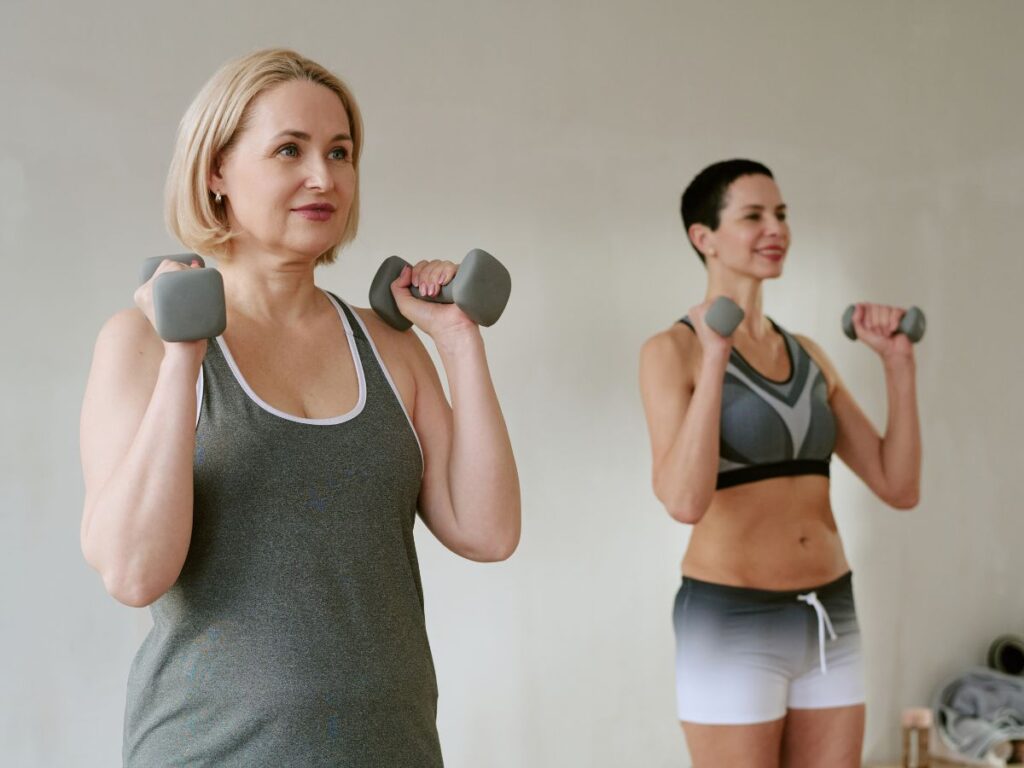
Strength training
If you’re new to training—or returning after a break—start gently and build progressively. In menopause, connective tissues adapt more slowly than muscles, so lighter loads and consistency (2–3 sessions per week) are more effective than pushing intensity too quickly. Focus on simple, compound movements and allow time for rest and recovery.
Nutrition basics
Supporting your body also means meeting its nutritional needs. Protein intake becomes more important for maintaining muscle, especially if you’re training. Calcium and vitamin D play key roles in bone health, while regular meals and hydration support energy and recovery. For personalised advice, it’s best to speak with a GP or registered dietitian.

Serena can help you understand what to prioritise and how to support your body at each stage, but does not provide personalised training programmes or dietary plans.
Bone density and weight-bearing exercise
Bone density tends to decline during and after menopause. This is a normal physiological process, but for some women it progresses more significantly, and understanding what can support bone health is worthwhile.
What the evidence supports:
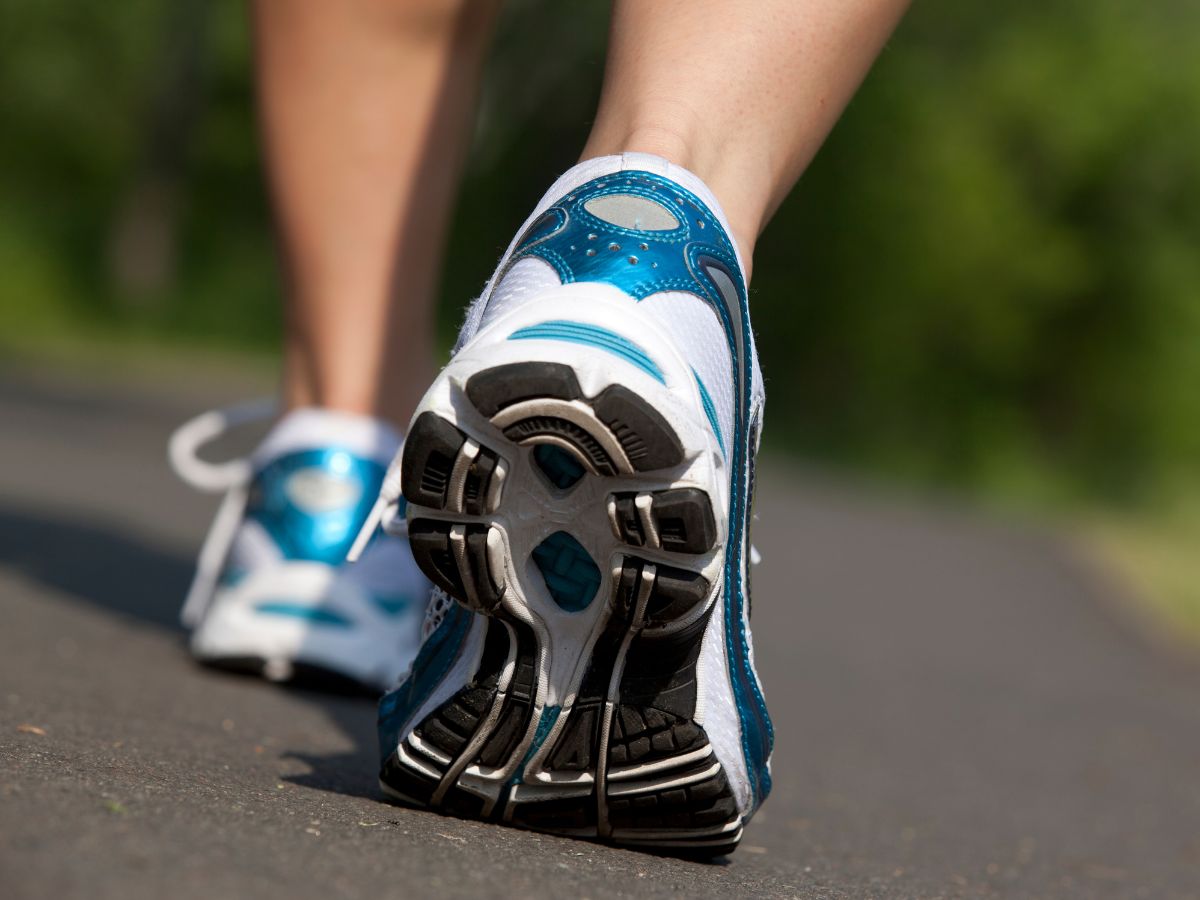
Weight-bearing exercise
Walking, hiking, and exercises performed on your feet applies load to bone and stimulates bone remodelling

Resistance training
Adds compressive load to the skeleton, which has a similar effect
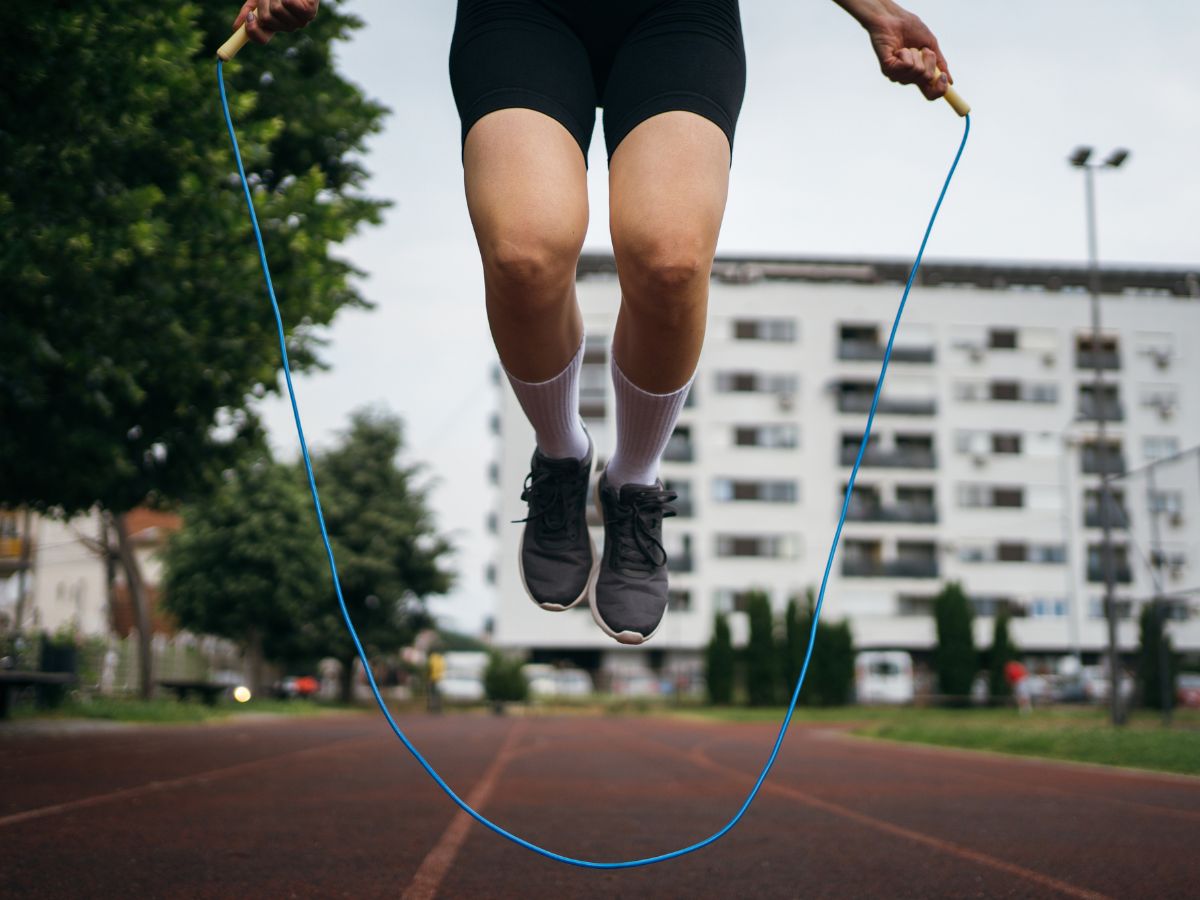
Impact exercise
Jumping, stepping, and varied direction changes is particularly effective for bone density in women who can tolerate it
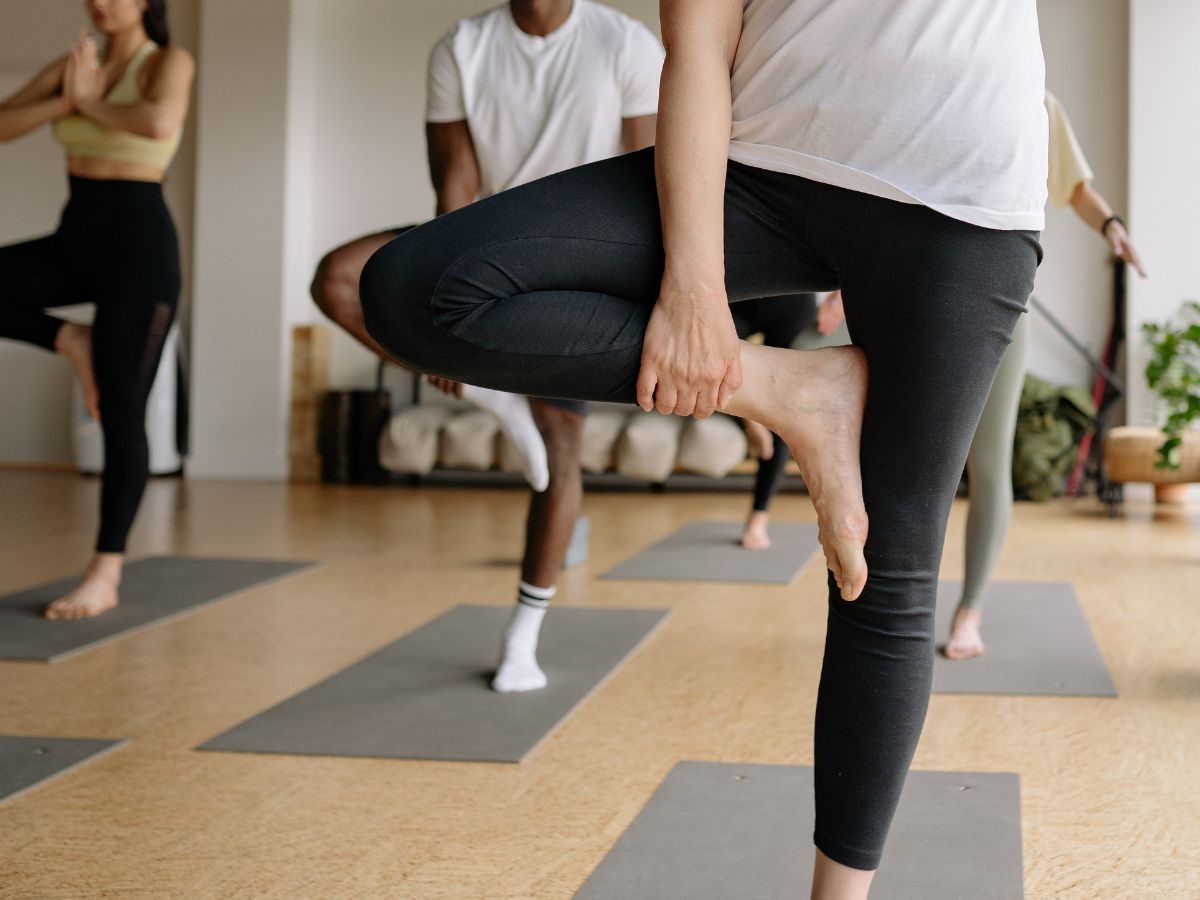
Balance and stability training
Reduces the risk of falls, which is a significant concern when bone density is lower
Serena can advise on what level and type of loading is appropriate for your current situation, particularly if you have already been told your bone density is reduced or if you are managing another musculoskeletal condition alongside menopause.
How osteopathy can help with women's health and menopause
Osteopathy does not treat menopause itself. What it can do is address the musculoskeletal changes that often accompany hormonal shifts, and support your body as it adapts.
Serena’s approach is evidence-informed. She will be clear about what osteopathy can reasonably support and what lies outside its scope. She will not tell you that osteopathy will resolve everything, but she will be honest about what is possible and what next steps are most useful.
Our approach:
- Assess how you are moving and where load is being distributed unevenly
- Identify areas of tension, restriction, or joint stiffness that are contributing to your pain or limiting your movement
- Use manual techniques, including soft tissue work and joint mobilisation, to reduce pain and improve range
- Discuss a movement plan that is appropriate for your current capacity and your goals
- Provide guidance on how to load your body safely for strength and bone health
- Refer on to your GP, a physiotherapist, or a specialist where that is the more appropriate route
What to expect from your first appointment
- 1. Your initial appointment with Serena lasts up to 60 minutes. It begins with a conversation about your medical history, your current symptoms, and what you would like to get from treatment.
- 2. Serena will then carry out a physical assessment. This may include observing how you move, testing joint range, and palpating areas of concern. She will explain what she finds and what she is doing throughout. You will not be asked to do anything without understanding why.
- 3. Treatment usually takes place in the same appointment, where both you and Serena are satisfied it is appropriate. She uses a range of techniques and will always adapt to what is comfortable for you. If she feels that a different approach is more appropriate, or that you should see your GP first, she will tell you clearly.
- 4. You are always in control of what happens. If you have questions or concerns before you book, you are welcome to contact the clinic.
Frequently asked questions
We know starting something new can bring up a few questions — especially if it’s your first time seeing an osteopath. Below you’ll find answers to some of the most common things people ask us. If you’re still unsure about anything, don’t hesitate to get in touch — we’re here to help.
Yes. The decline in oestrogen during perimenopause and menopause affects connective tissue, tendons, and joint fluid. Many women experience joint stiffness, aching, and tendon sensitivity that is directly related to this hormonal shift. These symptoms are real, recognised, and manageable with the right support. If you are in Ryde or the wider Isle of Wight area and experiencing joint pain around menopause, Serena at Lind Street Osteopathy can assess whether osteopathy may be appropriate for your situation.
Weight-bearing exercise, resistance training, and impact activities (where tolerated) are the most evidence-supported for maintaining bone density. Walking and resistance training are good starting points for most women. If your bone density has already been assessed as reduced, speak to your GP before starting high-impact exercise.
Two to three sessions per week of progressive resistance training is a widely recommended starting point. Each session does not need to be long. Consistency over time matters more than the volume of any single session. Serena can advise on how to approach loading safely alongside any musculoskeletal conditions you are managing.
Progressive resistance training and adequate protein intake are the two most evidence-supported strategies. Muscle responds to load at any age, so it is not too late to start. Avoiding prolonged inactivity and maintaining general movement throughout the day also helps.
Osteopathy addresses the musculoskeletal effects of menopause, such as joint pain, stiffness, tendon sensitivity, and movement restriction. It does not treat menopause itself or its hormonal aspects. If you are looking for support with the physical effects of menopause rather than the hormonal ones, osteopathy may be a useful part of your care alongside GP input.
This is a question for your GP, not for an osteopath. Calcium needs vary depending on your diet and individual circumstances, and high-dose supplementation carries risks in some cases. If you are concerned about your bone health, speak to your GP who can assess your risk and advise appropriately.
Book an appointment in Ryde
If you would like to talk through whether this service is right for you, or if you are ready to book, Serena would be happy to hear from you.
- 07528 966206
- lindstreetosteopathy.co.uk
-
Lind Street Osteopathy
17 Lind Street, Ryde, Isle of Wight, PO33 2NQ
Lind Street Osteopathy is based in Ryde on the Isle of Wight. Serena sees patients from across Ryde and the wider island, including Bembridge, Brading, Seaview, Shanklin, Sandown, and Newport.
The clinic is situated in a Victorian townhouse in the heart of Ryde, at 17 Lind Street, Ryde, Isle of Wight, PO33 2NQ. It is easily reached from most parts of the island.