

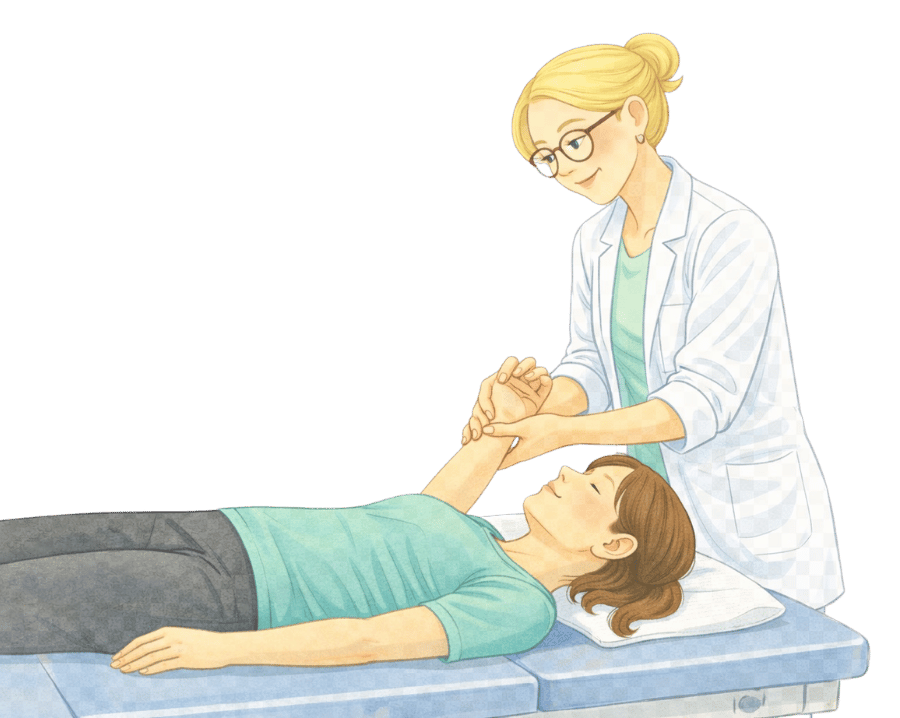

Lind Street Osteopathy

Chronic Pain, Fibromyalgia
and Hypermobility:

in Ryde, Isle of Wight

Living with chronic pain, fibromyalgia, or hypermobility can feel relentless. These are conditions that affect every part of daily life, and they often come with the added frustration of being misunderstood or undertreated. If you have spent time searching for someone who genuinely understands complex pain, you are in the right place.

When should you seek urgent medical advice?

If you already have a chronic pain condition, you may be familiar with flares, setbacks, and days when your symptoms are worse than usual. These are part of living with a chronic condition and do not usually require urgent medical attention.

However, you should contact your GP or call 999 if you notice any of the following new or changing symptoms:

These symptoms may indicate something that needs medical assessment before osteopathic treatment begins. If you are unsure whether your symptoms are new or part of your usual pattern, contact your GP for guidance.

Start your Care Journey Today

What Is Chronic Pain?

Why pain sometimes continues after healing

Chronic pain is generally defined as pain that persists for three months or longer. Unlike acute pain, which serves as a signal that tissue is damaged, chronic pain often continues after the original injury or cause has resolved. This does not mean the pain is imaginary — it means that the nervous system has become sensitised over time.

Pain researchers describe this process as central sensitisation. Put simply, when the nervous system has been exposed to pain signals for a prolonged period, it can become more responsive, amplifying pain signals even when the original trigger is no longer present. This explains why chronic pain can feel disproportionate to visible injury, why it spreads beyond the original site, and why it can be triggered by things that would not normally cause pain.

Understanding this does not make chronic pain easier to live with, but it does mean there is a rationale behind it. And importantly, it means there are approaches that can help the nervous system become less sensitised over time. Osteopathic treatment, combined with education, movement, and self-management strategies, may be one part of that process.

Fibromyalgia

Fibromyalgia is a chronic condition characterised by widespread pain, fatigue, and often cognitive difficulties sometimes described as “brain fog”. It is more common in women than men, and is frequently diagnosed after other conditions have been ruled out. Many people with fibromyalgia have a long and frustrating diagnostic journey behind them.

The exact cause of fibromyalgia is not fully understood, but it is widely thought to involve changes in how the central nervous system processes pain signals, consistent with the central sensitisation framework described above. It is a real, physical condition. It is not caused by stress or anxiety, although these can affect symptom severity.

Osteopathy cannot cure fibromyalgia. What it may offer is support with the musculoskeletal aspects of the condition: reducing tension in muscles and soft tissues, improving joint mobility where it has become restricted, and helping to improve overall physical function. Many patients with fibromyalgia find that reducing physical tension and improving movement helps to ease the overall burden of symptoms, even if the underlying condition remains.

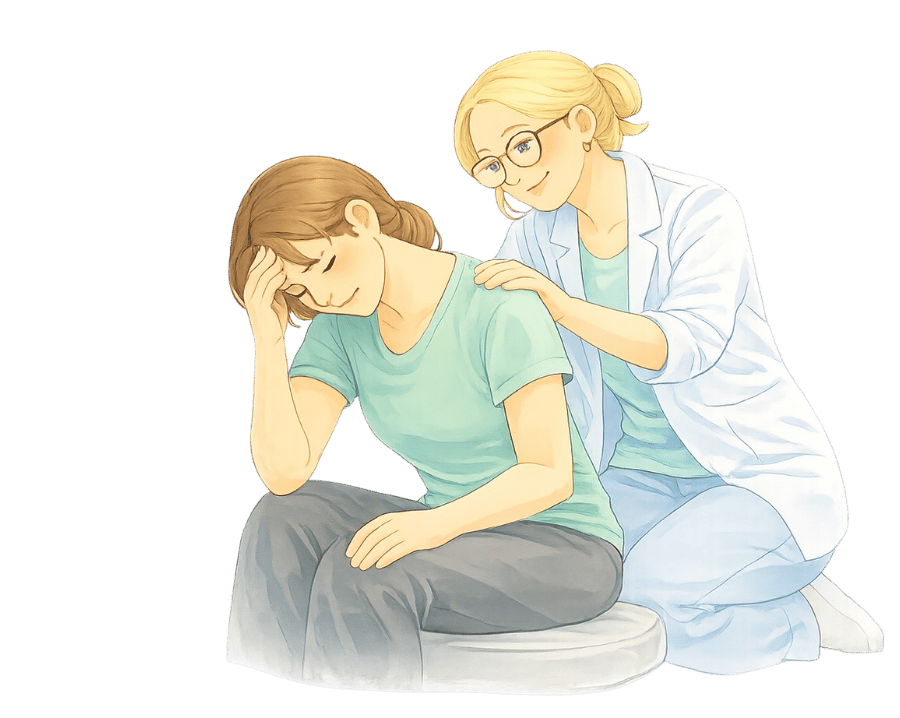
Serena approaches fibromyalgia with an understanding of the pain science involved and a pace and pressure that is appropriate for someone whose nervous system is already sensitised. Treatment is always explained and never forced.

Hypermobility and EDS

When joints move beyond their normal range

Joint hypermobility means that your joints move further than is typical — beyond their normal range of motion. For some people, this causes no problems at all. For others, it is associated with chronic joint pain, instability, frequent sprains, fatigue, and a range of other symptoms that can significantly affect daily life.

Hypermobile Ehlers-Danlos syndrome (hEDS) and Hypermobility Spectrum Disorder (HSD) are conditions at the more significant end of this spectrum. They involve a difference in connective tissue that affects joints, skin, and other body systems. People with hEDS or HSD often describe a long diagnostic journey and a history of injuries that seem disproportionate to the activity that caused them.

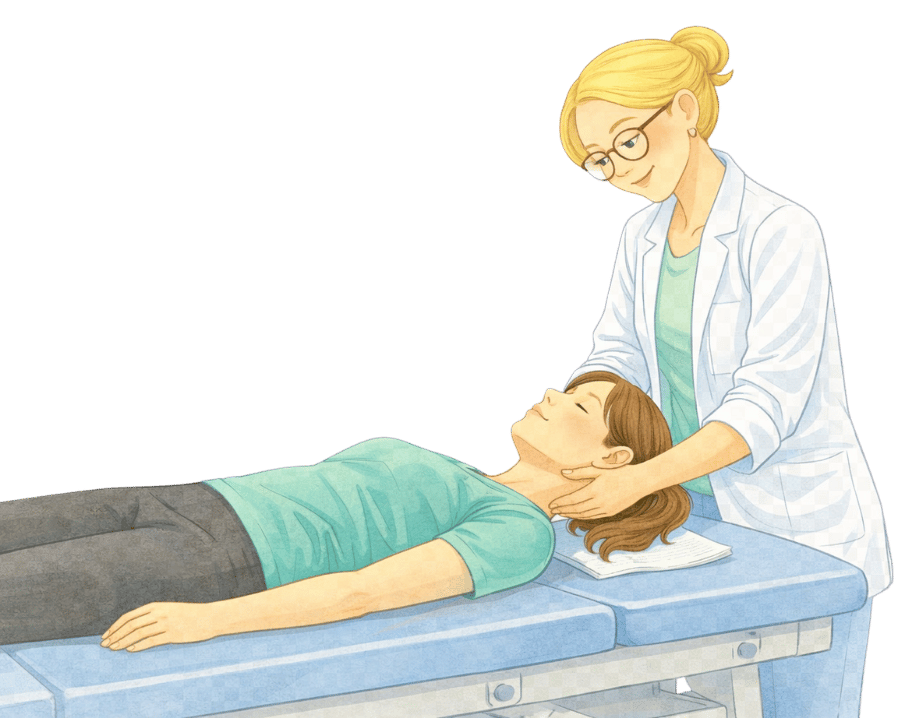
Osteopathic treatment for hypermobility looks different from standard osteopathy. The goal is not to mobilise or stretch joints that are already too mobile. Instead, treatment focuses on supporting the muscles and soft tissues that provide stability, reducing areas of compensatory tension, and working with the body’s current capacity rather than against it. Serena has a specific interest in hypermobility and adapts her approach accordingly.

If you have hypermobility or EDS and have had mixed or unhelpful experiences with manual therapy in the past, it may be worth discussing your history with Serena before booking. She will explain what her approach involves and whether it is likely to be appropriate for you.

How osteopathy can support people with chronic pain in Ryde

Osteopathy is not a cure for chronic pain conditions. It is important to say that clearly. Anyone offering a quick fix for fibromyalgia, hypermobility, or long-term chronic pain should be approached with caution.

What osteopathic treatment may offer is support: a way of addressing the musculoskeletal aspects of chronic pain, reducing the physical burden on a body that is already working hard, and helping to improve function and quality of life. For many patients with chronic conditions, treatment is not about fixing something that is broken — it is about helping the body to work as well as it can, given the situation.

Our approach to chronic pain:

What to expect in appointments when you have a chronic condition

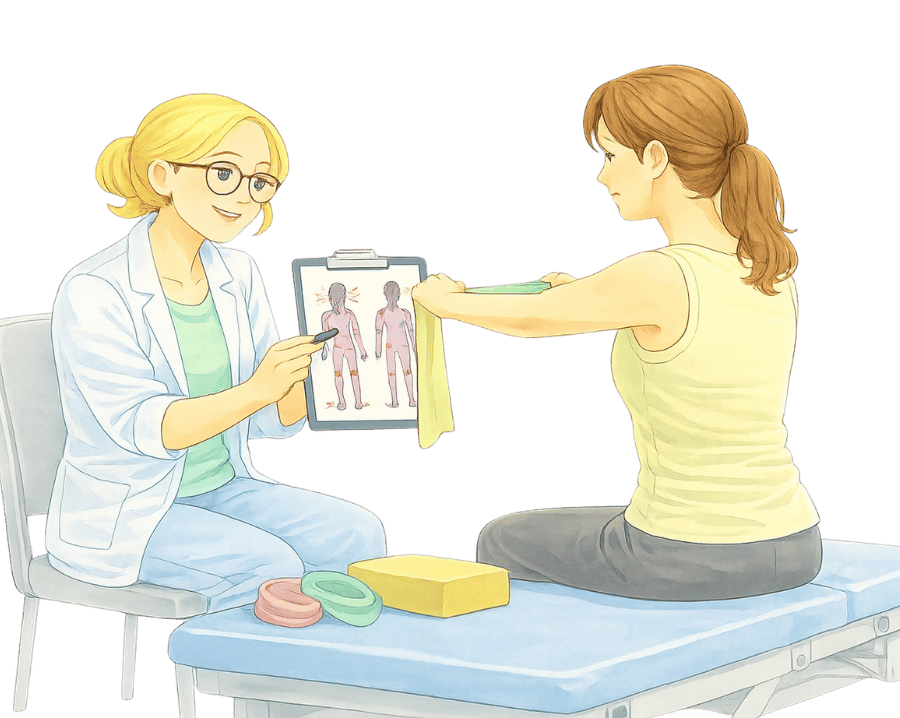
Appointments at Lind Street Osteopathy for patients with chronic conditions are structured differently from a standard acute injury appointment. Here is what to expect:

Follow-up appointments for chronic conditions are 45 minutes. Some patients benefit from a short initial course of treatment; others find occasional sessions over time more useful. This will be discussed openly.

Managing chronic pain between sessions

Self-management is a central part of living well with a chronic pain condition. Osteopathic treatment can support your body, but what you do between sessions matters too. The following strategies are broadly supported by evidence for people with chronic pain, fibromyalgia, and hypermobility:

Pacing

Arguably the most important strategy for chronic pain. Pacing means balancing activity and rest in a way that prevents the boom-and-bust cycle — where you do too much on a good day and pay for it afterwards. Serena can help you understand your own pacing patterns.
Warmth

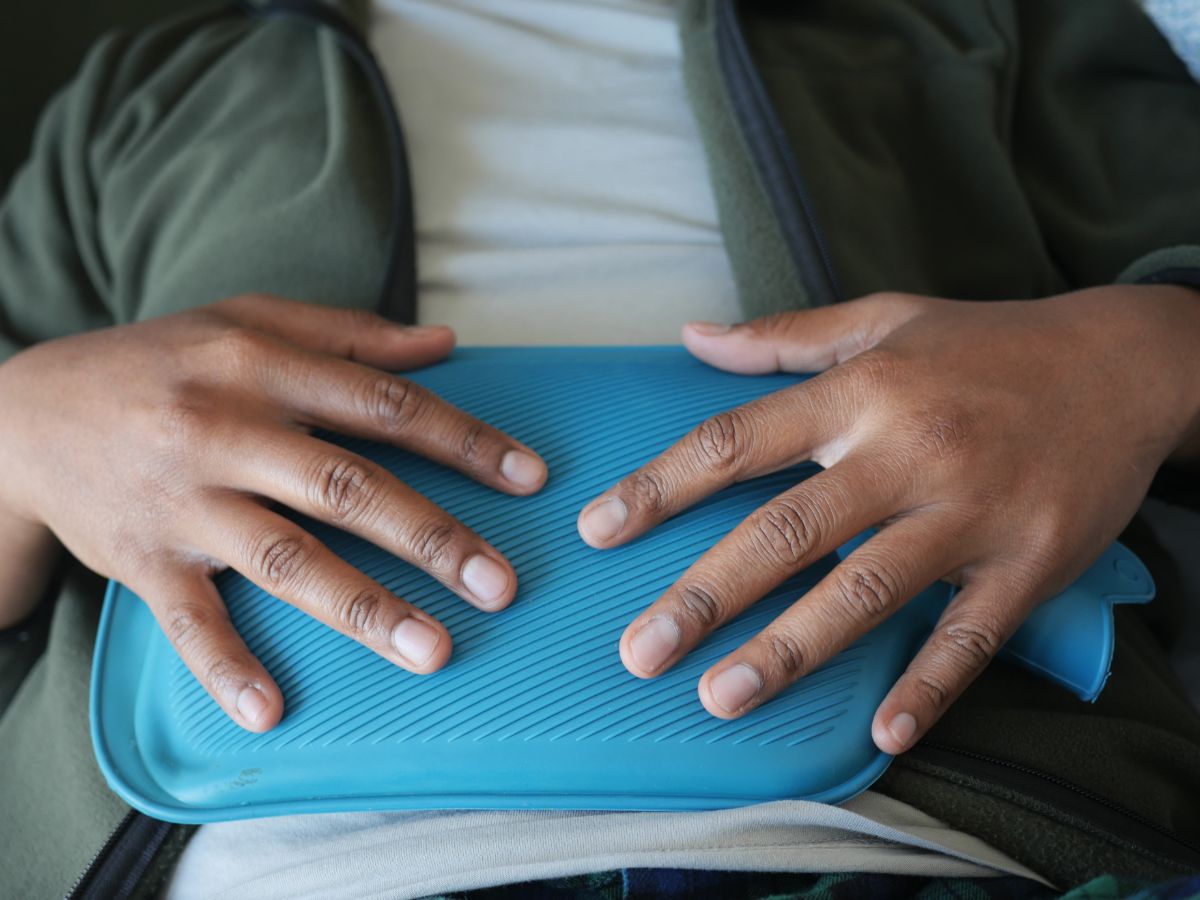
Heat packs or warm baths may ease muscle tension and provide temporary relief for fibromyalgia and chronic pain. Avoid applying heat to areas that feel acutely inflamed.

Gentle, consistent movement

Complete rest is rarely helpful for chronic conditions. Gentle, regular movement — swimming, walking, or specific exercises — helps to maintain muscle support and reduces the tendency for the nervous system to amplify pain signals. The key word is consistent: a little most days is more effective than intense activity followed by days of rest.

These suggestions are general guidance only and are not a substitute for individual assessment. What works well for one person may not suit another.

Sleep

Poor sleep significantly worsens chronic pain and fibromyalgia symptoms. If sleep is difficult, addressing it is one of the most useful things you can do. Your GP may be able to help.

Understanding your condition

Patients who understand the science behind their pain often manage it more effectively. Serena takes an education-first approach and may be able to recommend resources that are well-evidenced and not fear-based.

These suggestions are general guidance only and are not a substitute for individual assessment. What works well for one person may not suit another.

Frequently asked questions

about chronic pain, fibromyalgia and osteopathy

We know starting something new can bring up a few questions — especially if it’s your first time seeing an osteopath. Below you’ll find answers to some of the most common things people ask us. If you’re still unsure about anything, don’t hesitate to get in touch — we’re here to help.

Osteopathy cannot cure fibromyalgia, and it is important to be clear about that. What it may offer is support with the physical aspects of the condition: reducing muscle tension, improving movement, and helping your body to function as comfortably as possible day to day. Some patients with fibromyalgia find that regular osteopathic treatment alongside other management strategies helps them maintain better function and quality of life. Results vary, and Serena will be direct about what is realistically possible in your specific situation.

Yes, when adapted appropriately. Osteopathic treatment for hypermobility is very different from standard joint mobilisation. The approach focuses on the soft tissues and the muscles that provide stability, not on stretching or mobilising joints that are already too mobile. Serena has a specific interest in hypermobility and EDS and adapts her technique accordingly. If you have had unhelpful experiences with manual therapy before, it is worth discussing this with her before your first session.

This varies significantly between patients and between conditions. For chronic pain, fibromyalgia, and hypermobility, there is rarely a fixed course of treatment that applies across the board. Some patients benefit from a short initial course; others find maintenance sessions over time more useful. Serena will discuss her recommendations honestly at your first appointment, based on what she finds.

Yes. Serena at Lind Street Osteopathy in Ryde has a specialist interest in chronic pain, fibromyalgia, hypermobility, and related complex conditions. Her approach is grounded in current pain science, and her initial appointments are 60 minutes to allow time to understand complex histories properly. You can book directly online without a GP referral.

Treatment for chronic pain conditions is always adapted to your current state. If your nervous system is sensitised, which is common with fibromyalgia and chronic pain, firm pressure can sometimes increase symptoms temporarily. Serena uses a lighter, more considered approach for patients with these conditions, and she explains what she is doing throughout. If anything feels uncomfortable or unhelpful, she will adjust. You are always in control of the pace and pressure of treatment.

Book an appointment in Ryde

If you would like to talk through whether this service is right for you, or if you are ready to book, Serena would be happy to hear from you.

Lind Street Osteopathy is based in Ryde on the Isle of Wight. Serena sees patients from across Ryde and the wider island, including Bembridge, Brading, Seaview, Shanklin, Sandown, and Newport.

The clinic is situated in a Victorian townhouse in the heart of Ryde, at 17 Lind Street, Ryde, Isle of Wight, PO33 2NQ. It is easily reached from most parts of the island.