Neck Pain, Headaches & TMJ Treatment in Ryde, Isle of Wight
If you are dealing with neck pain, tension headaches, or jaw tightness, you are not alone. Many people find these three conditions arrive together, and for good reason. Neck tension can drive headaches. Jaw clenching often makes both worse. Understanding the connection is frequently the first step to feeling better.
When to seek urgent help first
Most neck pain and headaches are not dangerous. They are uncomfortable, often persistent, and can significantly affect daily life, but they are rarely a sign of something serious. Even so, it is important to know when to seek immediate help.
Seek emergency medical attention, or call 999, if you experience any of the following:
- A sudden, severe headache unlike anything you have experienced before (sometimes described as a thunderclap headache)
- Headache accompanied by a stiff neck, sensitivity to light or sound, fever, or a rash
- Headache accompanied by weakness, numbness, difficulty speaking, or changes to your vision
- Neck pain following a significant accident or fall
- Severe neck pain accompanied by weakness or numbness down one or both arms
- Any loss of bladder or bowel control alongside neck symptoms
Contact your GP promptly if:
- Your headaches are increasing in frequency or severity over several weeks
- You have unexplained weight loss alongside neck or head pain
- You are waking at night because of headache or neck pain
- You have a history of cancer and develop new neck or head symptoms
- Your jaw has locked and will not release
If none of these apply, Serena is happy to assess your symptoms and advise on the most appropriate course of action.
Start your Care Journey Today

Neck pain, headaches and jaw pain
How are they connected?
The neck, head, and jaw are closely connected anatomically and neurologically. The upper cervical spine, the muscles of the jaw and scalp, and the joints of the jaw share nerve pathways and muscular attachments. When one area is under sustained load or stress, the others often respond.
Tension in the muscles at the base of the skull can refer pain into the head and temples, contributing to headaches that feel like pressure or tightening. Jaw clenching, often unconscious and frequently stress-related, increases the muscular load through the neck and face. The relationship runs in both directions: a stiff or sensitive neck can cause you to guard your head position, which in turn places extra demand on the jaw and upper back.
This is why many people with a chronically stiff neck also notice recurring headaches. It is also why treating the neck in isolation sometimes gives only partial relief. At Lind Street Osteopathy, Serena works with the whole picture.
What neck pain feels like, and what commonly causes it
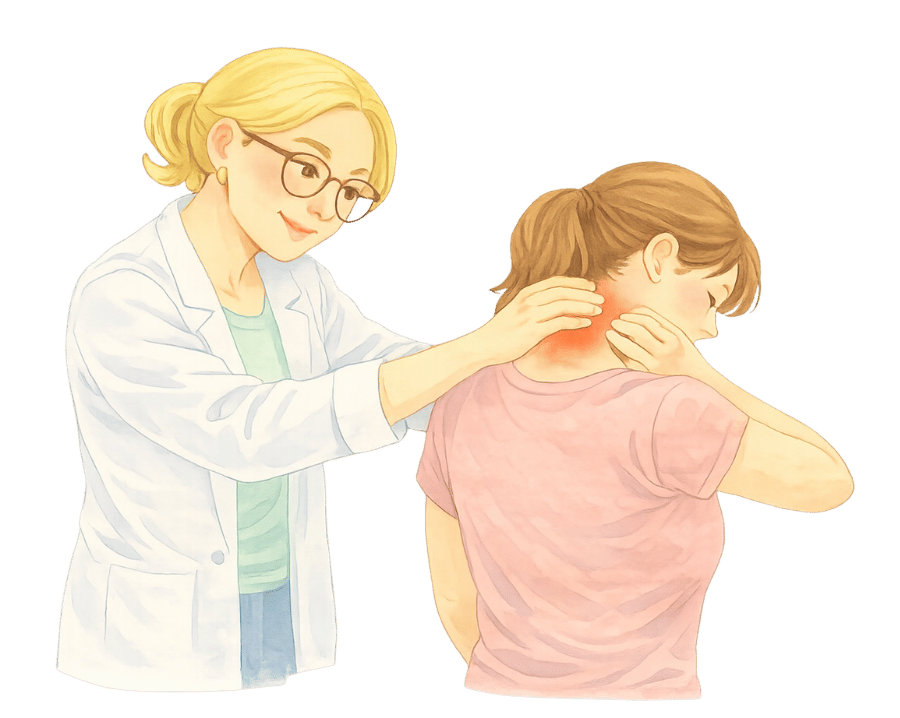
Neck pain can present in many ways. Some people wake with a stiff neck that makes turning their head difficult or painful. Others notice a dull ache that builds across the day, often linked to desk work, driving, or prolonged screen use. Some experience sharp pain on one side, pain that radiates into the shoulder or upper arm, or a persistent tension at the base of the skull.
Common presentations include:
- Stiffness that is worse in the morning or after extended periods of sitting
- Pain on one side of the neck that limits movement in a particular direction
- Neck and shoulder pain arriving together
- Neck pain after sleeping in an awkward position
- Upper back and neck tension linked to posture or prolonged screen work
- Pain or restricted movement following a whiplash-type injury
Neck pain is rarely caused by a single event. More often it reflects a pattern of loading, movement habits, or postural demands that have built up over time. Understanding that pattern is central to how Serena approaches assessment.

Headaches that start in your neck
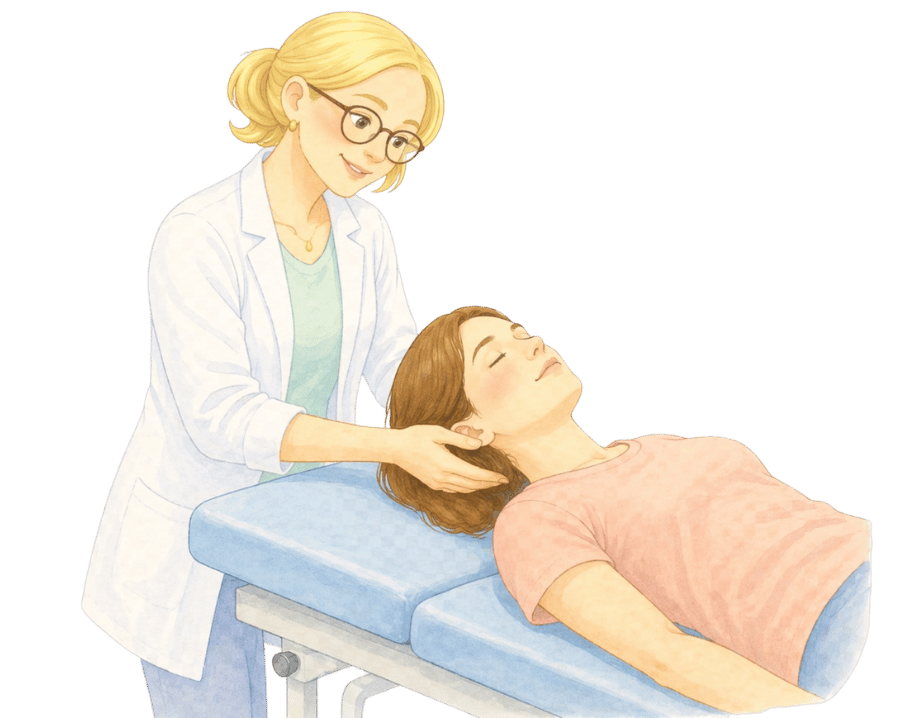
Not all headaches originate in the head. A significant number, sometimes called cervicogenic headaches or tension-type headaches, are driven by dysfunction in the neck and its associated muscles.
These headaches typically feel like pressure or tightening rather than the throbbing quality of a vascular headache. They often begin at the base of the skull, the back of the head, or around the temples, and may come with neck stiffness. They can be triggered or worsened by sustained postures such as looking at a screen, or by periods of stress.
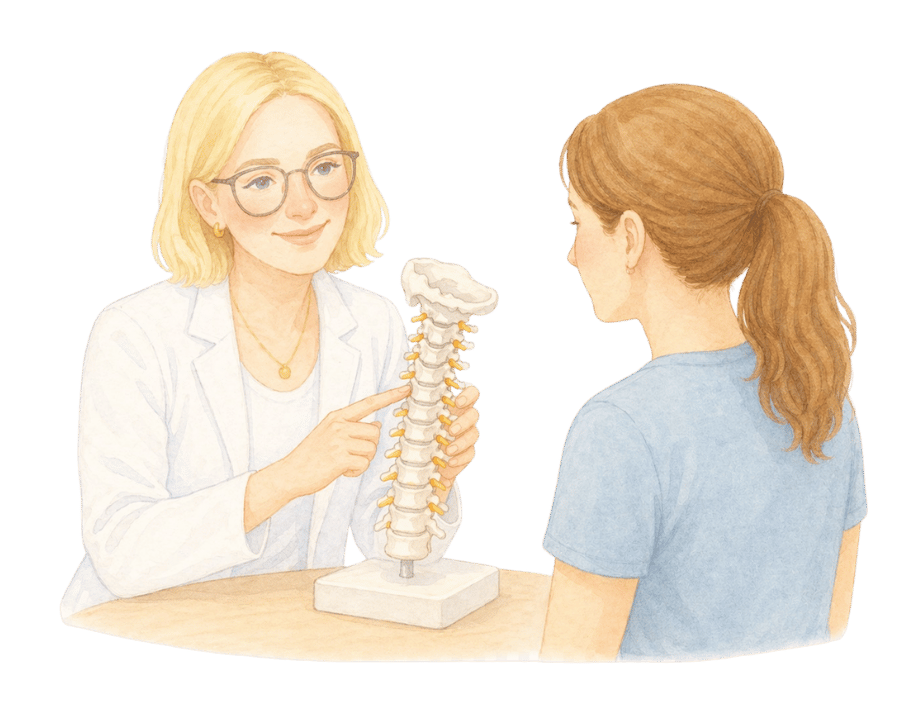
Cervicogenic headaches arise because the upper three vertebrae of the neck share nerve pathways with the head. Irritation or restriction in this area can be experienced as head pain rather than neck pain, which is why the neck is sometimes an overlooked factor.
Many people with this type of headache have been managing it for years without knowing the neck is involved. If your headaches tend to come with neck tension or stiffness, or if they are consistently one-sided and start at the back of the head, a cervical assessment may be worth exploring.
TMJ and jaw pain
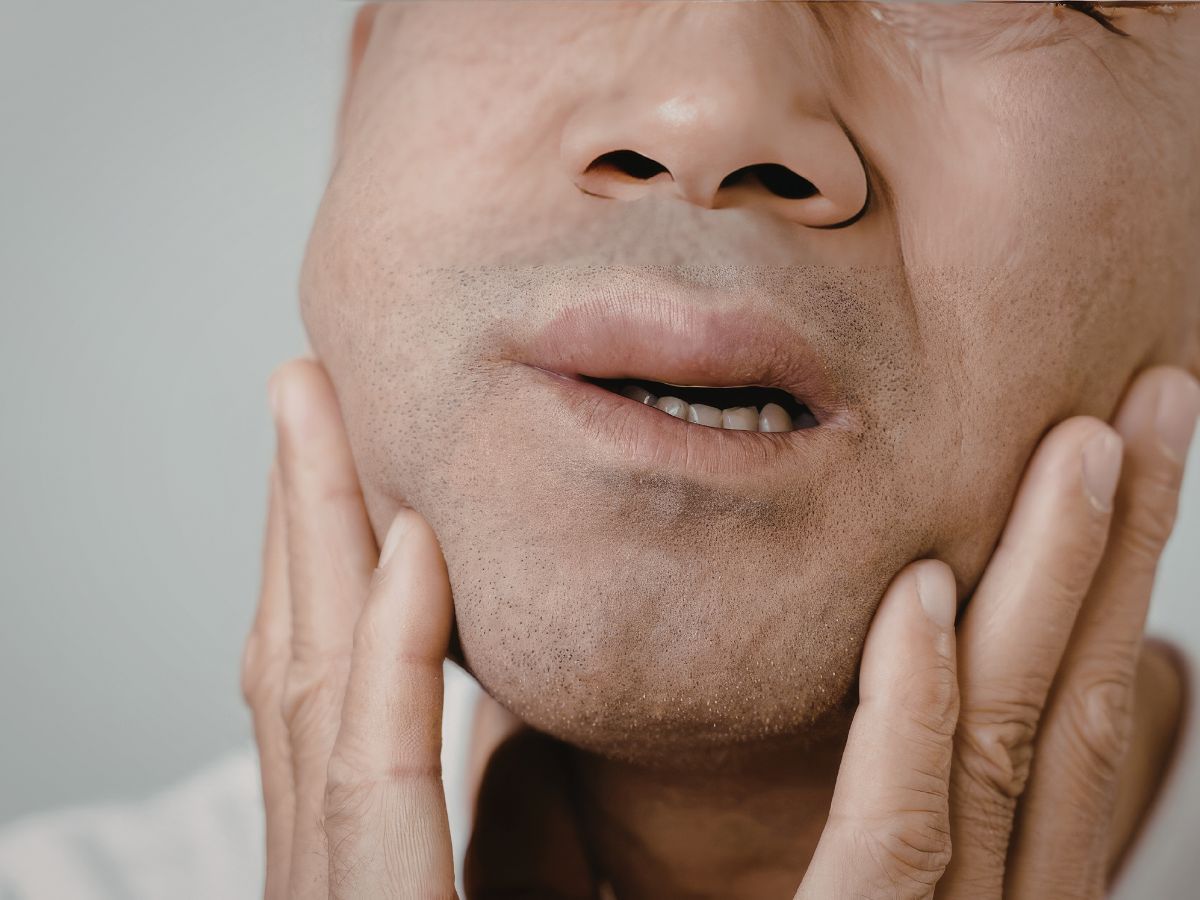
The temporomandibular joint (TMJ) connects the jaw to the skull, just in front of the ear on each side. Problems with this joint, or with the muscles that control the jaw, can cause a range of symptoms that are sometimes surprising in their breadth.
Common jaw-related symptoms include:
- Clicking or popping when opening or closing the mouth
- Jaw pain or achiness, particularly on waking
- Difficulty opening the mouth fully
- Pain when chewing, often more pronounced on one side
- Facial muscle tension and tenderness
- Teeth grinding (bruxism), typically during sleep
- A persistent feeling of jaw tightness or tension
These symptoms are frequently stress-related. Many people who clench or grind at night are unaware that they do so until a partner notices, or until a dentist observes wear on the teeth.
The muscles that control the jaw are closely connected to the muscles of the neck. This is why jaw tension and neck tension so often occur together. Serena may work with the muscles and soft tissues of the neck, upper back, and jaw area to help reduce tension and improve jaw movement. Where teeth grinding is a significant factor, she will also recommend speaking to your dentist, as a night guard can be a useful complement to any manual therapy.
How osteopathy may help with neck pain, headaches and jaw symptoms
Osteopathy takes a hands-on, whole-body approach to musculoskeletal problems. When Serena sees a patient with neck pain, headaches, or jaw tension, she begins with a detailed case history and a physical assessment to understand what is contributing to the presenting problem.
For headaches with a cervical component, treatment aims to address the underlying neck tension and restriction that may be contributing to head pain. This is not a guaranteed outcome, but many patients with cervicogenic and tension-type headaches find that addressing the neck makes a meaningful difference.
For TMJ-related symptoms, Serena may work with the muscles of the jaw, neck, and upper back. In some cases this can help reduce facial muscle tension and improve jaw mobility.
Osteopathy is generally gentle, though some temporary soreness after treatment is common and usually settles within a day or two. Serena will explain what she is doing throughout and will work within your comfort at all times.
Our approach to neck pain, headaches and jaw pain:
- Gentle mobilisation of the joints of the neck and upper spine, aimed at improving movement and reducing stiffness
- Soft tissue work to release tight muscles in the neck, shoulders, and jaw area
- Articulation techniques to encourage movement in restricted areas
- Advice on posture, workstation set-up, and movement patterns
- Exercises or stretches to support recovery between appointments
How many appointments you may need depends on how long you have had the problem, how it is currently behaving, and how your body responds to treatment. Serena will be honest with you about this from the outset.
What to expect at your first appointment for neck pain, headaches and TMJ
Your first appointment at Lind Street Osteopathy lasts 60 minutes. Conditions like neck pain, headaches and jaw problems are often closely connected — Serena will take time to understand the full picture before recommending any treatment. Here is what to expect:
- Case History: Serena will ask about your symptoms, the location and nature of your neck pain, the pattern of your headaches, and any jaw clicking, tension or discomfort. She will also ask about your general health, lifestyle, posture and daily habits such as screen use, sleep position and stress levels, as these often play a significant role in these conditions.
- Examination: You may be asked to move your head and neck in certain directions so Serena can assess your range of motion and identify areas of restriction or tension. Examination will typically involve hands-on assessment.
- Diagnosis and discussion: Serena will explain what she finds and what she believes is contributing to your symptoms: whether that is muscular tension, joint restriction, referred pain, or a combination of factors.
- Treatment: If appropriate, treatment will begin in the same session. For neck pain, headaches and TMJ, this may include soft tissue work to release muscle tension, gentle joint articulation, targeted work around the jaw joint and surrounding muscles, and cranial techniques where suitable, always adapted to your comfort and preferences.
- Home advice: You will leave with practical guidance tailored to your situation: this might include postural tips for desk or screen use, jaw awareness exercises, sleep position advice, or simple stretches to support your recovery between sessions.
Follow-up appointments for chronic conditions are 45 minutes. Some patients benefit from a short initial course of treatment; others find occasional sessions over time more useful. This will be discussed openly.
Things you can do to help your neck, head and jaw
Treatment works best alongside the things you do day to day. Here are some practical suggestions that many patients with neck pain, headaches, or jaw tension find helpful.

For your neck
- Check your screen height. The top of your monitor should sit roughly at eye level. Sustained looking down or upward loads the cervical spine and can contribute to stiffness.
- Move regularly. If you sit for long periods, a short break every 30 to 45 minutes to gently move your neck can help prevent tension from building.
- Try slow, gentle neck movement in the morning if stiffness is a regular feature. Small, controlled movements rather than stretching to the point of strain tend to be more helpful.
For your jaw
- Notice when you are clenching. Many people clench during concentration, driving, or periods of stress. The simple prompt 'lips together, teeth apart' can help interrupt the habit.
- Warmth can ease jaw muscle tension. A warm flannel held gently against the jaw for a few minutes, particularly on waking, can provide some relief.
- Speak to your dentist if you think you may be grinding at night. A night guard is a straightforward intervention that many people find helpful.

For your headaches
- Stay hydrated. Dehydration is a common and easily overlooked headache trigger.
- Rest your eyes periodically during screen use. Eye strain can increase the muscular tension that contributes to tension-type headaches.
- Consider keeping a brief headache diary for a week or two. Noting the time, duration, and any possible triggers can help Serena understand the pattern when you come in.
Frequently asked questions
about neck pain and headaches
We know starting something new can bring up a few questions — especially if it’s your first time seeing an osteopath. Below you’ll find answers to some of the most common things people ask us. If you’re still unsure about anything, don’t hesitate to get in touch — we’re here to help.
In many cases, yes, particularly where headaches are associated with neck tension or restricted movement in the upper cervical spine. Cervicogenic headaches, which arise from structures in the neck, and tension-type headaches linked to muscular tension in the neck and shoulders, may respond well to osteopathic treatment. Osteopathy is not a universal treatment for all headache types. If you have migraine or other headache patterns, Serena will discuss what may or may not be appropriate for your situation at your first appointment.
Both may be relevant. Neck and shoulder pain frequently occur together because of their shared anatomy and musculature. If neck stiffness or restricted neck movement is your primary concern, this page is a good starting point. If shoulder pain is your main issue, the shoulder pain page may be more relevant. The simplest approach is to book an initial appointment: Serena will assess both areas as part of a thorough examination.
Osteopathy for neck pain is generally gentle. Serena will not use high-force manipulation without your understanding and consent. Some temporary soreness after treatment is common, particularly after the first one or two sessions, and usually settles within 24 to 48 hours. If you are anxious about having your neck treated, please mention this when you book. Serena is used to working with patients who are guarded or apprehensive, and she will adapt her approach accordingly.
TMJ symptoms are usually caused by tension in the muscles that control the jaw, sometimes alongside changes to how the joint moves. Common contributing factors include teeth grinding (bruxism), jaw clenching linked to stress, and prolonged dental work. The clicking or popping sound you may hear is typically the disc inside the joint shifting slightly as the jaw opens and closes. In most cases this is not harmful, but it can be uncomfortable and is worth addressing if it is affecting your daily life.
This varies considerably from person to person and depends on how long the problem has been present, its severity, and how your body responds to treatment. Some patients notice an improvement after one or two sessions. Others, particularly those with longer-standing or more complex presentations, may benefit from a course of four to six appointments. Serena will give you an honest assessment at your first appointment and will not recommend more sessions than she genuinely believes are useful.
Book an appointment in Ryde
If you would like to talk through whether this service is right for you, or if you are ready to book, Serena would be happy to hear from you.
- 07528 966206
- lindstreetosteopathy.co.uk
-
Lind Street Osteopathy
17 Lind Street, Ryde, Isle of Wight, PO33 2NQ
Lind Street Osteopathy is based in Ryde on the Isle of Wight. Serena sees patients from across Ryde and the wider island, including Bembridge, Brading, Seaview, Shanklin, Sandown, and Newport.
The clinic is situated in a Victorian townhouse in the heart of Ryde, at 17 Lind Street, Ryde, Isle of Wight, PO33 2NQ. It is easily reached from most parts of the island.