
Does Posture Really Matter? What the Research Says
Serena Johnson
August 5, 2026
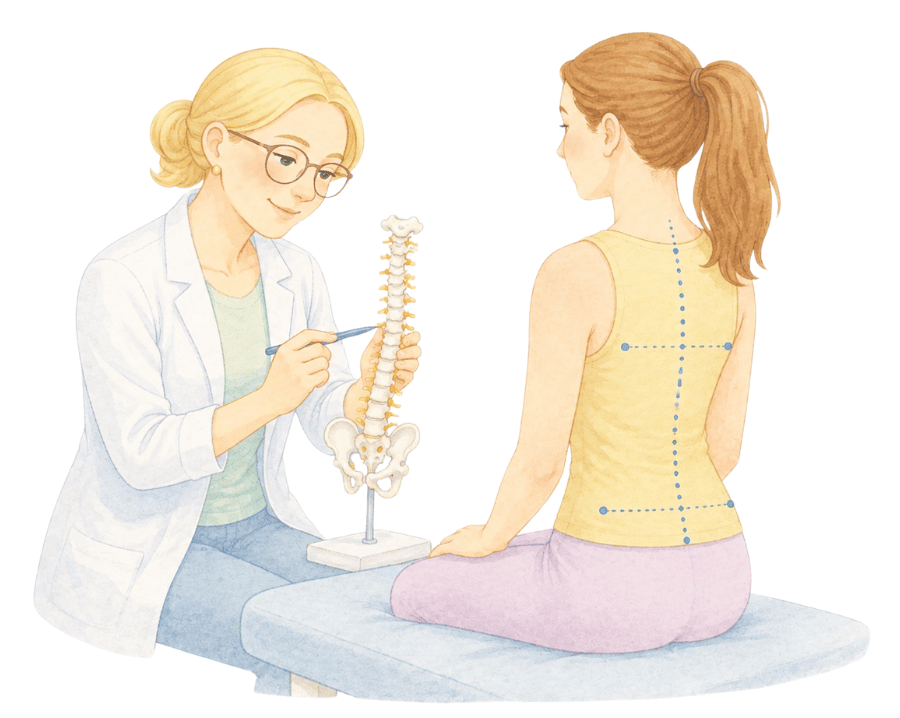

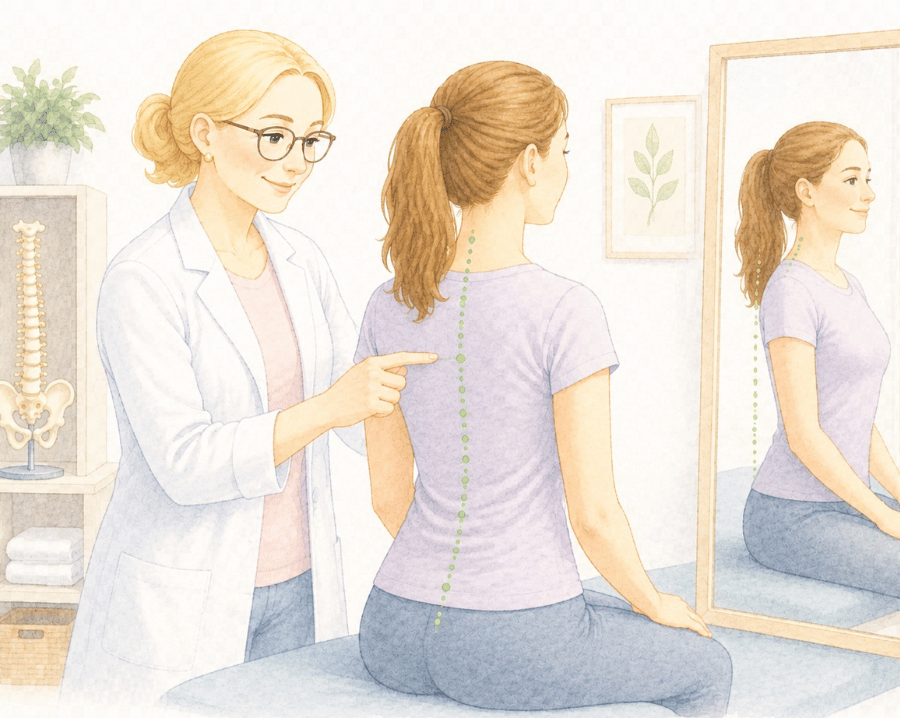
If you’ve ever been told to “sit up straight” or worried that your posture is causing your aches and pains, you’re certainly not alone. Many people believe there is one “perfect” posture and that slouching is the main reason for back, neck or shoulder pain.
The reality is a little more complicated.
Research suggests that posture is only one piece of the puzzle. While spending long periods in the same position can contribute to discomfort, there is no single “perfect” posture that everyone should aim for. Instead, regular movement, muscle strength, good sleep, stress management and overall health often play a much bigger role in keeping you comfortable.
In this article, we’ll explore what posture really is, whether poor posture causes pain, and what you can do to look after your body.
What is posture?
Posture simply refers to the way you hold your body when sitting, standing or moving.
Everyone’s posture is slightly different. Factors such as your height, body shape, muscle strength, flexibility, previous injuries and even genetics all influence how you naturally stand and sit.
It’s completely normal to have slight differences in shoulder height, spinal curves or the way you distribute your weight. These variations are usually nothing to worry about.
Our
Newsletters
Sign up to receive simple tips, updates, and insights from the clinic — designed to help you feel better, move more freely, and take care of your health.
Is there such a thing as “perfect” posture?
Contrary to popular belief, there isn’t one perfect posture that everyone should maintain.
Many images online show an ideal upright posture with perfectly aligned ears, shoulders and hips. While these pictures can be useful for understanding body alignment, they don’t mean everyone should look exactly the same.
In fact, trying to hold yourself in one rigid position all day can become tiring and uncomfortable.
The best posture is often described as your next posture.
Changing position regularly is far more beneficial than trying to sit or stand perfectly for hours at a time.
Can poor posture cause pain?
This is one of the most common questions osteopaths are asked.
The answer is: sometimes—but not always.
Posture on its own rarely explains why someone develops pain.
- Some people sit with a rounded back all day and never experience pain.
- Others have excellent posture but still develop neck or back pain.
- Two people can have almost identical posture, yet only one experiences symptoms.
- Previous injuries
- Muscle strength and endurance
- Physical activity levels
- Stress
- Sleep quality
- General health
- Work demands
- How long you stay in one position
Why does staying in one position make me ache?
Whether you’re sitting at a desk, driving, standing at work or relaxing on the sofa, staying still for too long can lead to:
- Muscle fatigue
- Joint stiffness
- Reduced circulation
- Increased muscle tension
Small movement breaks every 30 to 60 minutes can often make a significant difference.
Does sitting up straighter fix back pain?
Many people assume that sitting bolt upright all day is the answer to preventing pain.
However, constantly holding yourself in an exaggerated upright position can increase muscle tension and become uncomfortable.
Instead of trying to maintain one rigid position, aim to:
- Change position regularly.
- Keep your screen at a comfortable height.
- Support your feet on the floor where possible.
- Stand up and stretch frequently.
- Walk for a few minutes throughout the day.
Does posture affect neck pain and headaches?
For some people, yes.
Looking down at phones, laptops or tablets for prolonged periods may increase strain on the muscles around the neck and shoulders. Over time, this can contribute to muscle tension and may aggravate some types of headache.
However, it’s important to remember that headaches and neck pain can have many different causes. Stress, poor sleep, jaw tension, previous injuries and other medical conditions can also play a role.
If you’re experiencing persistent headaches or neck pain, it’s worth seeking an assessment to identify the most likely contributing factors.
How can I improve my posture naturally?
Rather than trying to force yourself into one position, focus on building healthy movement habits.
Some simple strategies include:
Move regularly
Set a reminder to stand up every 30 to 60 minutes, especially if you work at a desk.
Build strength
Strengthening the muscles that support your spine, hips and shoulders can improve your ability to stay comfortable during everyday activities.
Exercises don’t need to be complicated. Walking, resistance training, Pilates and other forms of regular exercise can all be beneficial.
Stay active
General physical activity is one of the most effective ways to reduce the likelihood of developing persistent musculoskeletal pain.
Adjust your workspace
Ensure your screen is roughly at eye level, your chair supports you comfortably and your keyboard and mouse are positioned so your shoulders remain relaxed.
Listen to your body
If you begin to feel stiff, uncomfortable or tired, that’s often your body’s way of telling you it’s time to move.
When should you seek professional advice?
However, you should consider seeking professional assessment if:
- Pain persists for several weeks.
- Symptoms are affecting your work or daily activities.
- Pain keeps returning.
- You’re unsure what’s causing your symptoms.
- You experience numbness, tingling or weakness.
- Your symptoms are becoming progressively worse.
Can osteopathy help?
Treatment may include:
- Hands-on treatment where appropriate.
- Advice on movement and activity.
- Individualised rehabilitation exercises.
- Strength and mobility programmes.
- Education to help you understand your symptoms.
Key Takeaway
There is no single “perfect” posture.
Instead of worrying about sitting or standing perfectly, focus on moving regularly, building strength and staying active. Your body is designed to move, and frequent changes in position are often more beneficial than trying to maintain one ideal posture all day.
If you’re experiencing persistent back, neck or shoulder pain and would like an individual assessment, we’re here to help.
Book an appointment at Lind Street Osteopathy in Ryde and we’ll work with you to understand the cause of your symptoms and create a treatment plan tailored to your needs.
Frequently Asked Questions
Is slouching bad for you?
Slouching occasionally is completely normal. The problem usually isn’t slouching itself—it’s remaining in the same position for prolonged periods without moving.
Can poor posture cause back pain?
It may contribute for some people, but back pain is usually influenced by several factors rather than posture alone.
Can poor posture cause headaches?
Prolonged positions that increase tension around the neck and shoulders may contribute to some headaches, although headaches have many possible causes.
How long does it take to improve posture?
Most people notice improvements over several weeks by combining regular movement, strengthening exercises and increased body awareness.
Is standing all day better than sitting?
Not necessarily. Standing for prolonged periods can also place stress on the body. The key is alternating between sitting, standing and moving throughout the day.