
Sciatica Treatment on the Isle of Wight: What’s Causing Your Leg Pain and How to Find Relief
Serena Johnson
March 30, 2026
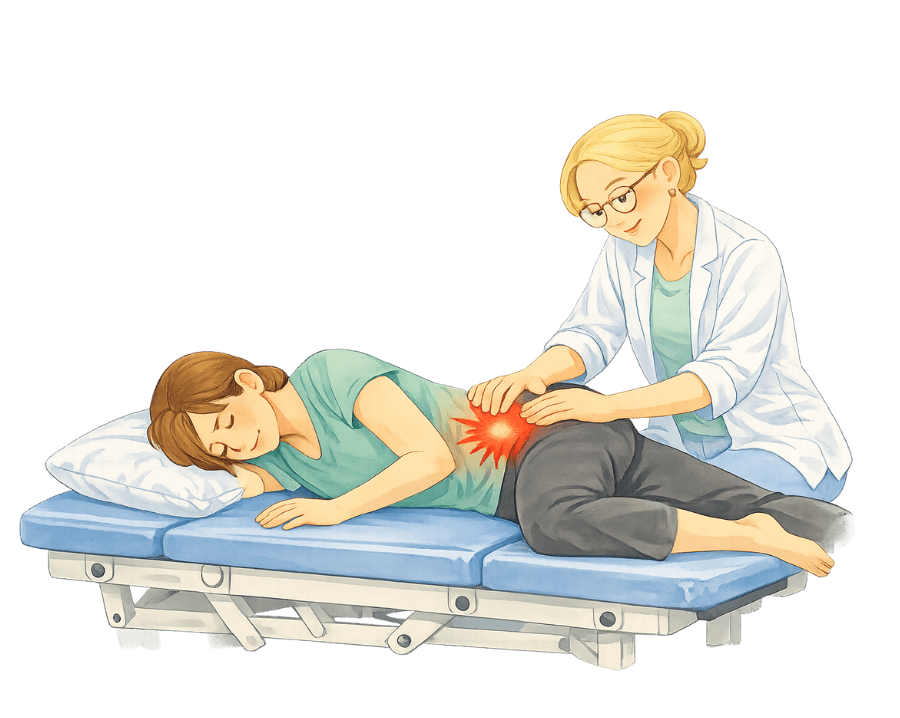
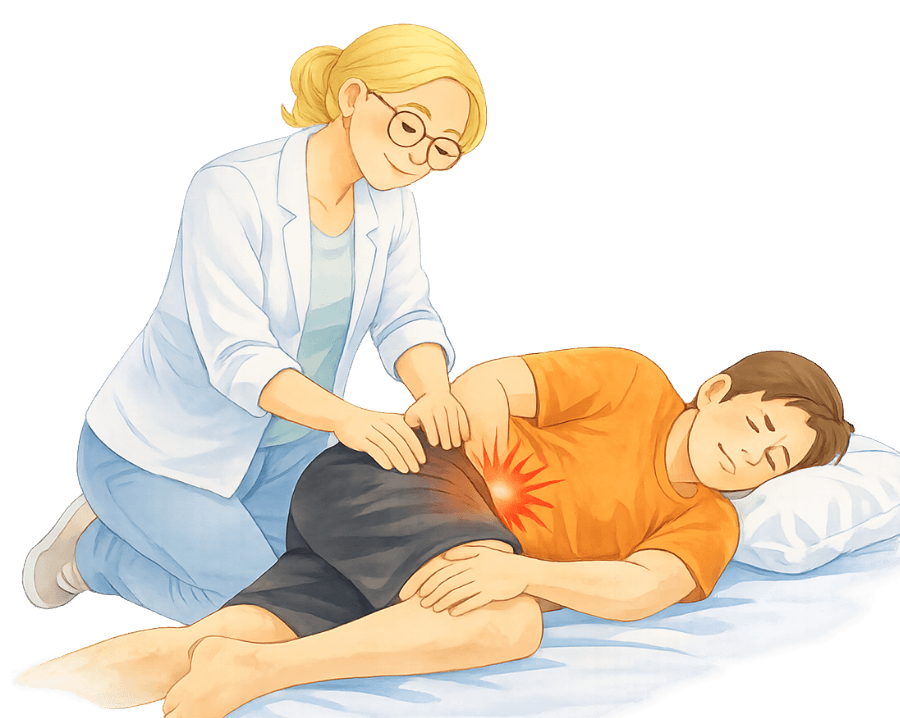
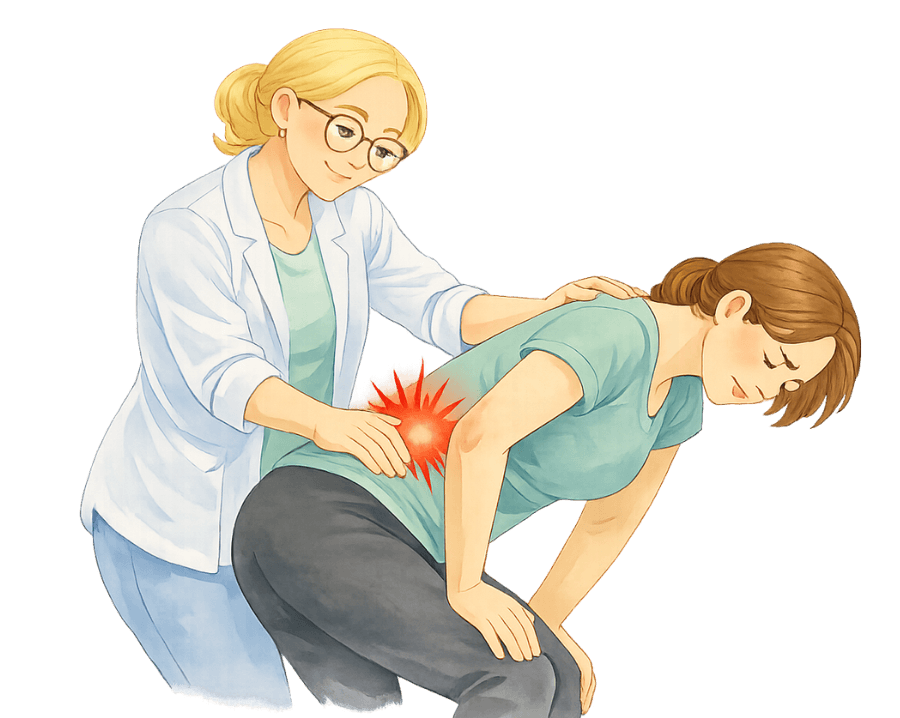
If you’re experiencing pain that travels from your lower back into your leg, you may be dealing with Sciatica.
This is something we see regularly in clinic here on the Isle of Wight. While it can feel worrying, the good news is that sciatica is common and often improves with the right support.
What Is Sciatica?
Sciatica is not a diagnosis on its own, it’s a term used to describe a set of symptoms, most commonly pain that travels along the path of a nerve in the lower back and down the leg.
In simple terms, it means that a nerve in the lower back (sciatic nerve) is being irritated.
You might notice:
Pain in the lower back, buttock, or leg
Tingling or “pins and needles”
Numbness or a heavy feeling in the leg
Pain that can feel sharp, burning, or aching
Understanding this is important, because treating sciatica is not just about the nerve itself — it’s about understanding what is causing that irritation in the first place.
Common Causes of Sciatica
Sciatica can develop for a number of reasons, and often it’s a combination of factors rather than a single cause.
These may include:
Stiffness in the lower back or hips
Age-related changes in the spine
Muscle tension in the buttocks or surrounding areas
Spending long periods sitting or reduced movement
Changes in posture over time
In many cases, these factors gradually build up, rather than coming from a single injury.
Our
Newsletters
Sign up to receive simple tips, updates, and insights from the clinic — designed to help you feel better, move more freely, and take care of your health.
Why Does Sciatica Feel Worse at Times?
Many people notice their symptoms are worse:
When sitting for long periods
First thing in the morning
When bending, lifting, or getting up
This doesn’t usually mean anything is seriously wrong, it often reflects how sensitive the area has become and how the surrounding muscles and joints are moving.
Will Sciatica Get Better?
In most cases, sciatica improves over time, especially with the right combination of movement, support, and guidance.
Staying gently active is often more helpful than complete rest. Small, consistent changes usually make the biggest difference.
Simple Things You Can Try at Home
If you’re dealing with sciatica, the following may help:
Take regular short walks
Avoid sitting for long periods without movement
Change position frequently throughout the day
Use heat to help relax tight muscles
Pace your activity rather than pushing through pain
It’s important to listen to your body and avoid doing too much too quickly.
How Osteopathy Can Help Sciatica
Osteopathy focuses on helping the body move more comfortably and reducing strain on the areas that are irritated.
Treatment may include:
Gentle hands-on techniques to reduce stiffness
Improving movement in the lower back, hips, and surrounding areas
Advice on posture, movement, and daily habits
Guidance on how to return to normal activity safely
Just as importantly, osteopathy can help you understand what’s going on in your body, which often reduces worry and helps you feel more in control.
When to Seek Medical Advice
While most cases of sciatica are not serious, you should seek urgent medical attention if you experience:
Increasing weakness in the leg
Loss of bladder or bowel control
Numbness around the groin or saddle area
These symptoms are rare but should always be checked promptly.
How long does sciatica last?
Is sciatica serious?
Should I rest or keep moving?
What makes sciatica worse?
Can osteopathy help with sciatica?
Final Thoughts
Sciatica can feel uncomfortable and sometimes worrying, but in most cases it does improve with the right approach.
If you’re experiencing ongoing leg or back pain and are unsure of the cause, getting the right advice early can make a real difference.
If you’re struggling with symptoms on the Isle of Wight, support is available to help you move more comfortably and confidently again.