
Hypermobility: Why Flexible Bodies Can Still Experience Pain
Serena Johnson
May 6, 2026

Hypermobility: Why Flexible Bodies Can Still Experience Pain (and Its Links to Fibromyalgia, Endometriosis, POTS, MCAS and Anxiety)
If you’ve always been told you’re “very flexible” but also deal with ongoing pain, fatigue, dizziness, or recurring injuries, you may have a form of joint hypermobility.
This is something we often see in clinic on the Isle of Wight, particularly in individuals who have spent years managing symptoms without clear answers.
Understanding hypermobility can be an important step in making sense of your body — especially when symptoms overlap with other conditions.
What Is Hypermobility?
Hypermobility refers to joints that move beyond the typical range expected for most people.
For some, this causes no issues. For others, it can be linked with:
- Joint pain or aching
- Frequent sprains or injuries
- Muscle fatigue
- Poor joint stability
- Clicking or popping joints
- Recurrent soft tissue strain
In some cases, hypermobility forms part of a broader condition affecting connective tissues and how the body manages movement and stability.
Our
Newsletters
Sign up to receive simple tips, updates, and insights from the clinic — designed to help you feel better, move more freely, and take care of your health.
Why Can Hypermobility Cause Pain?
Although joints are more flexible, this doesn’t always mean they are more stable.
The body often has to work harder to control movement, which can lead to:
- Muscle overuse and tension
- Increased strain on ligaments
- Fatigue from constant stabilising
- Greater sensitivity to movement or load
Pain is often not due to a single injury, but from repeated strain over time.
Hypermobility and Other Health Conditions
Hypermobility is increasingly recognised as overlapping with other conditions, particularly in women.
Fibromyalgia
Some people experience widespread pain, fatigue, and sensitivity. This may relate to how the nervous system processes pain signals.
Endometriosis
There is growing awareness of a link between hypermobility and endometriosis, particularly where chronic pelvic pain is present alongside joint symptoms.
Hypermobility, POTS and MCAS: What’s the Connection?
Some people with hypermobility also experience symptoms linked to other body systems.
POTS (Postural Orthostatic Tachycardia Syndrome)
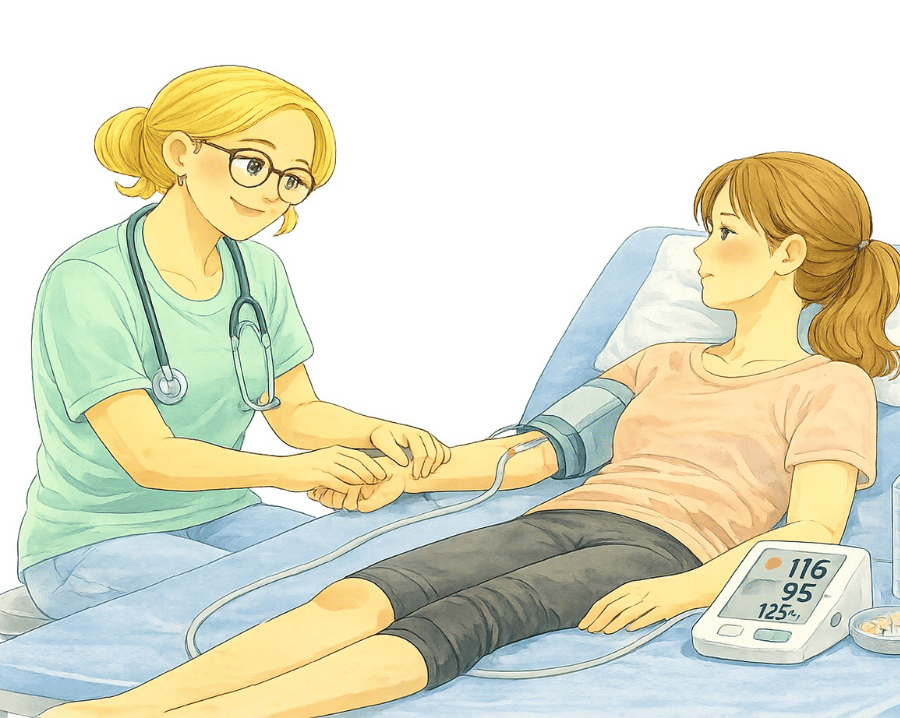
POTS affects how the body regulates heart rate and blood flow, particularly when standing.
Symptoms may include:
- Dizziness or lightheadedness
- Rapid heart rate
- Fatigue
- Brain fog
- Feeling faint
MCAS (Mast Cell Activation Syndrome)
MCAS relates to how the immune system responds to triggers.
Symptoms can include:
- Skin flushing or itching
- Digestive issues
- Allergy-type reactions
- Sensitivity to foods, temperature, or environment
Why Do These Conditions Overlap?
Hypermobility can affect connective tissues throughout the body, not just joints.
This may influence:
- Blood vessels (linked to POTS symptoms)
- Nervous system regulation
- Immune responses
Research is still developing, but recognising these patterns can help explain why symptoms don’t always “fit into one box.”
Hypermobility and Anxiety: Is There a Link?
Many people with hypermobility also experience anxiety — and this is increasingly recognised as part of the overall picture.
This doesn’t mean symptoms are “just anxiety.” Instead, there may be shared underlying factors.
Why Anxiety May Be More Common
Nervous system sensitivity
The body may be more reactive to stress and physical sensations, which can increase feelings of anxiety.
Overlap with POTS
Symptoms like a racing heart or dizziness can feel similar to anxiety or panic, even when driven by physical changes in the body.
Living with ongoing symptoms
Dealing with pain, fatigue, or unpredictable symptoms can understandably affect emotional wellbeing.
Increased body awareness
Some people are more aware of physical sensations, which can make symptoms feel more intense.
Common Symptoms of Hypermobility
Symptoms vary widely, but may include:
- Joint or muscle pain
- Fatigue or low energy
- Dizziness or lightheadedness
- Poor recovery after activity
- Recurrent injuries or “niggles”
- Neck, back, or shoulder discomfort
- Feeling unstable or “loose” in joints
Symptoms often fluctuate depending on activity levels, stress, sleep, and overall load.
Why Hypermobility Is Often Missed
Hypermobility can go unrecognised because:
- Flexibility is often seen as a positive
- Symptoms develop gradually
- Scans and tests are often normal
- Pain may be attributed to other causes
This can leave people feeling confused or unsupported.
How Osteopathy Can Help
Osteopathy focuses on how the body moves and functions as a whole, making it particularly relevant for hypermobility.
Within scope of practice, this may include:
- Assessing movement patterns and joint control
- Identifying areas of overload or compensation
- Reducing muscle tension
- Supporting more efficient movement
- Providing advice on pacing and activity
- Guidance on safe strengthening
Treatment is always tailored to how your body presents on the day.
Screening and Referral
As osteopaths, we recognise when symptoms may need further medical input.
If symptoms suggest conditions such as POTS, MCAS, or other underlying issues, we may:
- Recommend speaking with your GP
- Suggest further investigation
- Work alongside other healthcare professionals
Managing Hypermobility Day to Day
Many people benefit from:
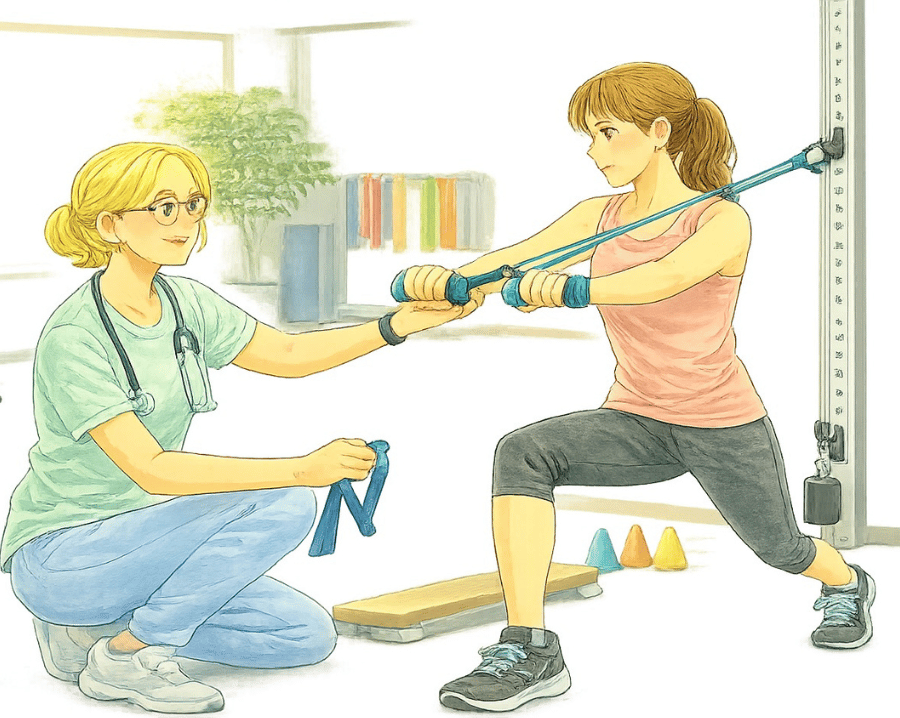
- Gradual strengthening and stability work
- Pacing activities (avoiding “boom and bust”)
- Regular, manageable movement
- Adequate rest and recovery
- Awareness of triggers such as stress or fatigue
The goal is not to reduce flexibility, but to improve control and resilience.
When to Seek Help
You may benefit from an assessment if you experience:
- Persistent or widespread pain
- Frequent injuries or instability
- Ongoing fatigue or dizziness
- Symptoms affecting daily life
- Uncertainty about what’s causing your symptoms
What This Means for You
Hypermobility is not just about being flexible — it’s about how your body manages movement, stability, and different systems working together.
For many people, understanding the links between hypermobility, pain, fatigue, POTS, MCAS, and anxiety can be a turning point in making sense of their symptoms.
With the right support, it is possible to improve comfort, build strength, and better manage everyday life.
Frequently Asked Questions
Is hypermobility a medical condition?
Hypermobility describes increased joint movement. When symptoms are present, it may form part of a broader condition.
Can hypermobility cause pain?
Yes — often due to increased strain on muscles and tissues.
Are POTS and MCAS always present?
No — but some people experience overlapping symptoms.
Can osteopathy help?
Osteopathy can support movement, reduce tension, and provide tailored advice within scope.
Do I need to see a GP?
If symptoms include dizziness, fainting, or unexplained reactions, a GP review is recommended