
Osteoarthritis: Understanding Joint Pain, Stiffness and How to Stay Mobile
Serena Johnson
June 16, 2026
Osteoarthritis: Understanding Joint Pain, Stiffness and How to Stay Mobile
Osteoarthritis is one of the most common joint conditions. It is often associated with ageing, but it is not simply a case of joints being “worn out”. It involves changes in the whole joint, including cartilage, bone, muscles and surrounding soft tissues.
For many people, osteoarthritis causes joint pain, stiffness and reduced confidence with movement. For others, scan or X-ray changes may be present without severe symptoms.
If you live with joint pain on the Isle of Wight, understanding osteoarthritis can help you make better decisions about movement, treatment and long-term management.
What Is Osteoarthritis?
Osteoarthritis is a long-term joint condition where the tissues within and around a joint change over time. It can
cause pain, stiffness, swelling and reduced movement, but symptoms vary widely. Staying active, strengthening
muscles and managing load are usually important parts of care.
Our
Newsletters
Sign up to receive simple tips, updates, and insights from the clinic — designed to help you feel better, move more freely, and take care of your health.
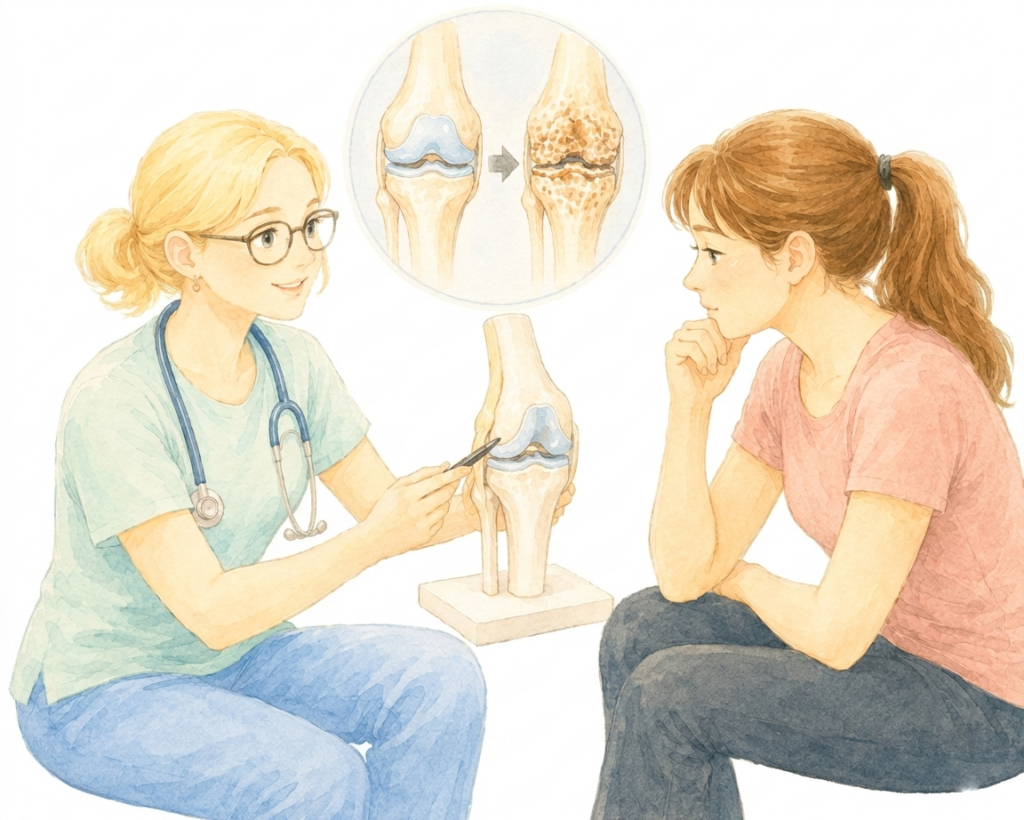
What Happens in an Osteoarthritic Joint?
Healthy cartilage helps joints move smoothly and absorb load. In osteoarthritis, cartilage can become thinner
and less effective. The bone and surrounding tissues can also change, and the joint may become more
sensitive.
This process is usually gradual. It does not mean the joint is useless or beyond help. Many people with
osteoarthritis can remain active with the right support.
Which Joints Are Commonly Affected?
Osteoarthritis commonly affects the knees, hips, hands and spine. These joints are used frequently and often
take repeated load during daily life.
Symptoms can affect walking, stairs, gripping, standing, gardening, exercise and normal daily activities. The
level of impact varies from person to person.
Common Symptoms of Osteoarthritis
Osteoarthritis symptoms can fluctuate. Some days may feel manageable, while flare-ups can make the joint
feel painful, stiff or swollen.
- Joint pain during or after activity
- Stiffness after rest or first thing in the morning
- Reduced range of movement
- Mild swelling or tenderness
- Clicking, grinding or creaking sensations
- Reduced confidence using the joint
- Flare-ups after increased activity
damage. The overall symptom picture matters more than sound alone.
What Causes Osteoarthritis?
Osteoarthritis does not usually have one single cause. It develops through a combination of factors.
- Age-related joint changes
- Previous injury or surgery
- Genetics
- Repetitive loading
- Reduced muscle strength
- Higher body weight in weight-bearing joints
- Activity changes or sudden increases in load
Why Pain Does Not Always Match X-Ray or Scan Results
Many people are surprised to learn that X-ray changes do not always match pain levels. Some people have
significant osteoarthritis on imaging with little pain. Others have strong symptoms with less dramatic imaging
changes.
Pain is influenced by joint sensitivity, muscle support, sleep, stress, activity levels, inflammation, confidence
and general health. This is why treatment should focus on the person, not only the image.
Is Osteoarthritis Just Wear and Tear?
The phrase “wear and tear” can be unhelpful. It makes people feel as if the joint is gradually being used up and
that movement is harmful. This is not the full picture.
Appropriate movement is usually helpful. Stronger muscles can support joints better, improve confidence and
reduce unnecessary strain during daily activities.
Staying Active with Osteoarthritis
Movement is one of the most important tools for managing osteoarthritis. The right amount of activity can
reduce stiffness, support strength and improve function.
Useful options often include walking, swimming, cycling, gentle strengthening and mobility exercises. The best
exercise is usually one that is safe, tolerable and realistic enough to do consistently.
During a flare-up, it may help to reduce intensity for a short period rather than stopping all movement
completely. Once symptoms settle, activity can usually be built back up gradually.
How Osteopathy May Help with Osteoarthritis
Osteopathy cannot reverse osteoarthritis, but it may help improve comfort, mobility and confidence with
movement.
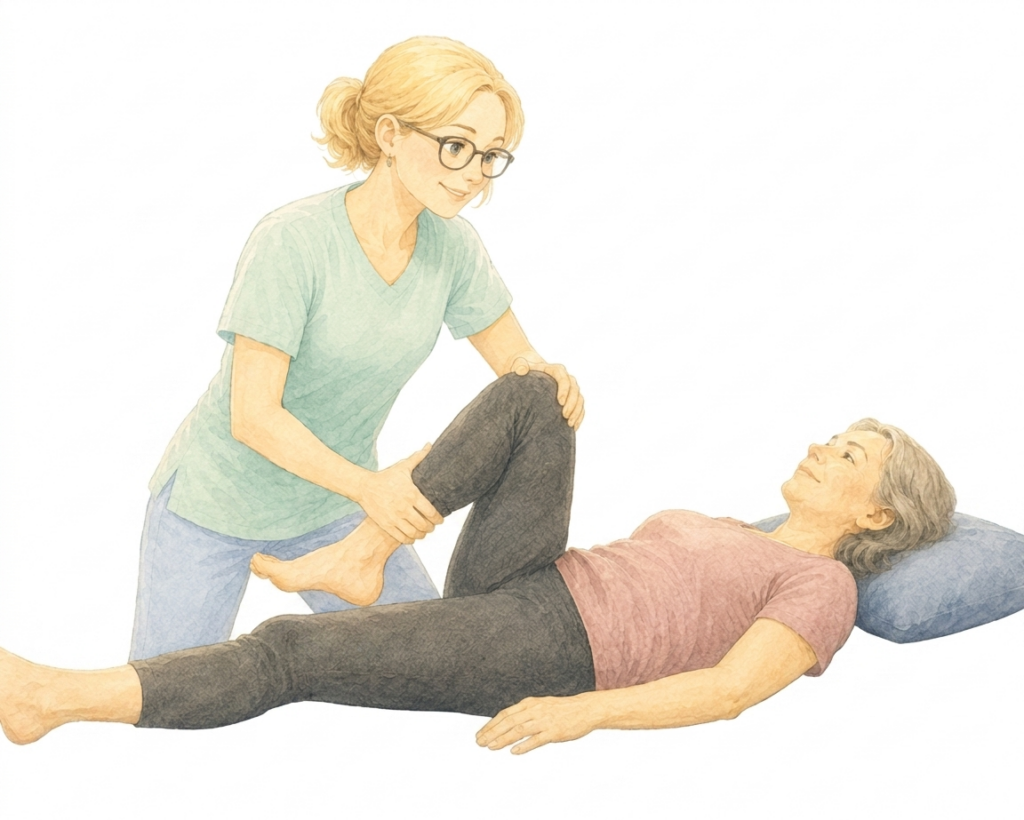
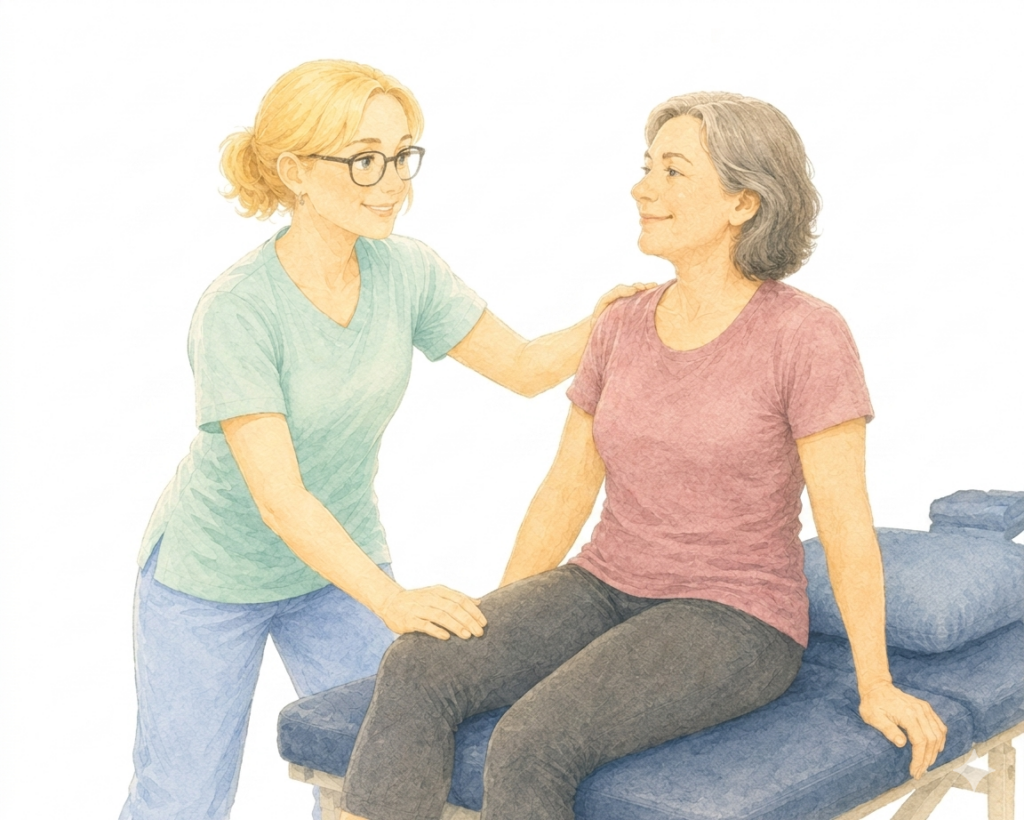
Care may include assessment of joint mobility, gentle manual therapy, soft tissue techniques, movement
advice, pacing strategies, strengthening guidance and support with daily activity modification.
The aim is to help the whole body function better around the affected joint. For example, knee osteoarthritis
may be influenced by hip strength, ankle movement, walking pattern and general conditioning.
Managing Osteoarthritis Day to Day
Small, consistent changes often work better than drastic changes. The goal is to keep moving while respecting
the joint’s current tolerance.
- Use regular low-impact movement
- Build strength gradually
- Avoid long periods of inactivity
- Break tasks into manageable blocks
- Use pacing during flare-ups
- Choose supportive footwear where relevant
- Seek professional advice if symptoms are limiting daily life
When Should You Seek Medical Advice?
Joint pain should be assessed medically if it is severe, worsening, sudden, linked to significant swelling or
redness, associated with fever, caused by injury, or stopping you from carrying out normal daily activities.
It is also sensible to seek advice if symptoms are not improving, if the joint feels unstable, or if you are unsure
whether the pain is osteoarthritis or something else.
Getting Help with Joint Pain in Ryde and Across the Isle of Wight
If joint pain or stiffness is affecting your walking, work, hobbies or confidence, a personalised assessment can
help identify what is contributing to your symptoms.
Lind Street Osteopathy is based in Ryde and provides evidence-informed osteopathic care for people across
the Isle of Wight. Care is tailored to your symptoms, goals and daily life, with a focus on helping you move more
comfortably and confidently.
Key Takeaway
Osteoarthritis is common, but it does not mean your joints are ruined. Symptoms can often be managed with
education, movement, strength, pacing and appropriate support.
Understanding the condition can reduce fear and help you make informed choices about staying active and
protecting long-term joint function.
Frequently Asked Questions
Is osteoarthritis serious?
Osteoarthritis varies in severity. For many people, it is manageable with the right advice, movement and support.
Can osteoarthritis be reversed?
The structural changes cannot usually be fully reversed, but symptoms, movement and function can often improve.
Should I stop exercising if I have osteoarthritis?
Usually, no. Appropriate exercise is generally recommended. Activity should be adapted to your current ability and increased gradually.
Can osteopathy help osteoarthritis?
Osteopathy may help support joint movement, reduce surrounding muscle tension and improve confidence with
activity. It should be used alongside medical care where needed.
Why does osteoarthritis flare up?
Flare-ups can happen after increased activity, poor sleep, stress, changes in routine or irritation around the
joint. Pacing and gradual progression can help.